
Author: Dr. Medrano

  • July 4th Pet Safety Tips for Bay Area Dogs and Cats: How to Avoid Holiday Emergencies

    July 4th Pet Safety Tips for Bay Area Dogs and Cats: How to Avoid Holiday Emergencies

    San Francisco City Hall lit up for a festive Fourth of July. Photograph by Dr. Medrano.

    The Fourth of July is one of the busiest emergency days of the year for veterinary hospitals. Between fireworks, backyard barbecues, hot temperatures and large gatherings, even the most well-behaved pets can find themselves in dangerous situations. Many holiday emergencies happen because families are distracted by celebrations or assume someone else is watching the pet.

    Whether you’re celebrating in San Francisco, Oakland, Rockridge, Berkeley, Piedmont, Alameda, Emeryville or the surrounding East Bay, a little preparation can help keep your pet safe and out of the emergency room.

    San Francisco Bay Area fireworks. Photograph by Dr. Medrano.

    Fireworks and Anxiety 🎆

    Fireworks are one of the biggest causes of pet emergencies during the holiday. Even calm dogs and cats can panic when loud noises begin, causing them to escape through open doors, jump fences or injure themselves trying to hide. More pets go missing on July 4 than any other day of the year.

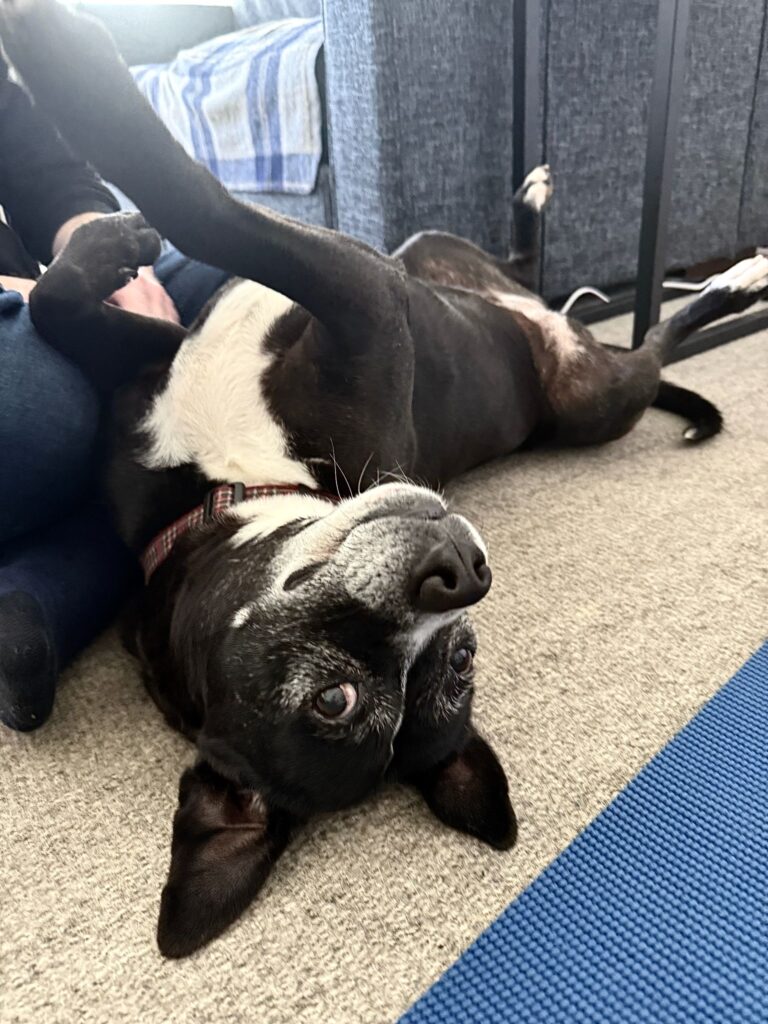
    Bodhi enjoying the outdoors before the fireworks. She has fireworks anxiety and needs to be held inside. Photograph by Allison Carden Hanes.

    Help reduce stress by:

    • Keeping pets indoors before fireworks begin
    • Closing windows, curtains and blinds
    • Playing calming music or leaving the television on
    • Providing a quiet room with their favorite bed or blanket (bathrooms are often a great quit location)
    • Making sure collars, ID tags and microchip information are current
    • Trying anxiety-reducing products such as a ThunderShirt®, which applies gentle, constant pressure that may help some dogs feel calmer during fireworks and thunderstorms
    • Ask your veterinarian about calming products such as Composure Pro or ElleVet Hemp CBD Chews For Dogs, which may help some pets cope with fireworks anxiety when used as directed

    If your pet has a history of severe fireworks anxiety, speak with your veterinarian before the holiday about safe treatment options. Dogs can greatly benefit from medications like Gabapentin and/or Trazodone.

    A loud fireworks finale. Photograph by Allison Carden Hanes.

    Keep Pets Cool During Bay Area Summer Heat 🔥

    Even though coastal temperatures may be mild, many inland communities including Walnut Creek, Lafayette and Orinda can experience significant heat during July.

    Always provide:

    • Plenty of fresh water
    • Access to shade or air conditioning
    • Breaks from outdoor activities
    • Walks during the cooler morning or evening hours

    Watch for signs of heat exhaustion including excessive panting, drooling, weakness, vomiting or collapse. Heatstroke is a medical emergency that requires immediate veterinary care.

    Chico panting outside. Photograph by Dr. Medrano.

    Barbecue Foods Can Be Dangerous 🍔

    Holiday cookouts often include foods that can make pets seriously ill.

    Keep pets away from:

    • Cooked bones
    • Corn cobs
    • Skewers
    • Alcohol
    • Chocolate desserts
    • Grapes and raisins
    • Onions and garlic
    • Fatty meats and food scraps

    Secure trash cans and remind guests not to feed pets from the table.

    Watch Doors, Gates and Guests

    Large family gatherings mean doors and gates are opened more often than usual. Children and visitors may accidentally leave an escape route open.

    Before guests arrive:

    • Check fences and gates
    • Keep pets in a secure area
    • Use a leash outside even in familiar yards
    • Make sure someone is specifically responsible for supervising your pet

    Fireworks Are Never Safe for Pets

    Even unused fireworks contain chemicals that can be toxic if chewed or swallowed. Sparklers burn at extremely high temperatures and can cause severe burns.

    Never allow pets near fireworks, matches, grills or fire pits.

    Know When to Call Your Veterinarian

    If your pet experiences:

    • Difficulty breathing
    • Heatstroke
    • Persistent vomiting
    • Burns
    • Seizures
    • Collapse
    • Severe anxiety
    • Ingestion of toxic foods or fireworks

    Seek veterinary care immediately.

    Celebrate Safely This Fourth of July

    A little planning can make all the difference. Keeping your pet cool, hydrated, secure and away from fireworks and party hazards can help ensure the holiday ends with happy memories instead of an emergency visit.

    Fourth of July beach party. Photograph by Allison Carden Hanes.

    Need veterinary advice before the holiday?

    Text Dr. Medrano at (415) 506-8387 to schedule a mobile veterinary appointment anywhere in San Francisco, Oakland and throughout the Bay Area. MedranoVets brings compassionate veterinary care directly to your home.
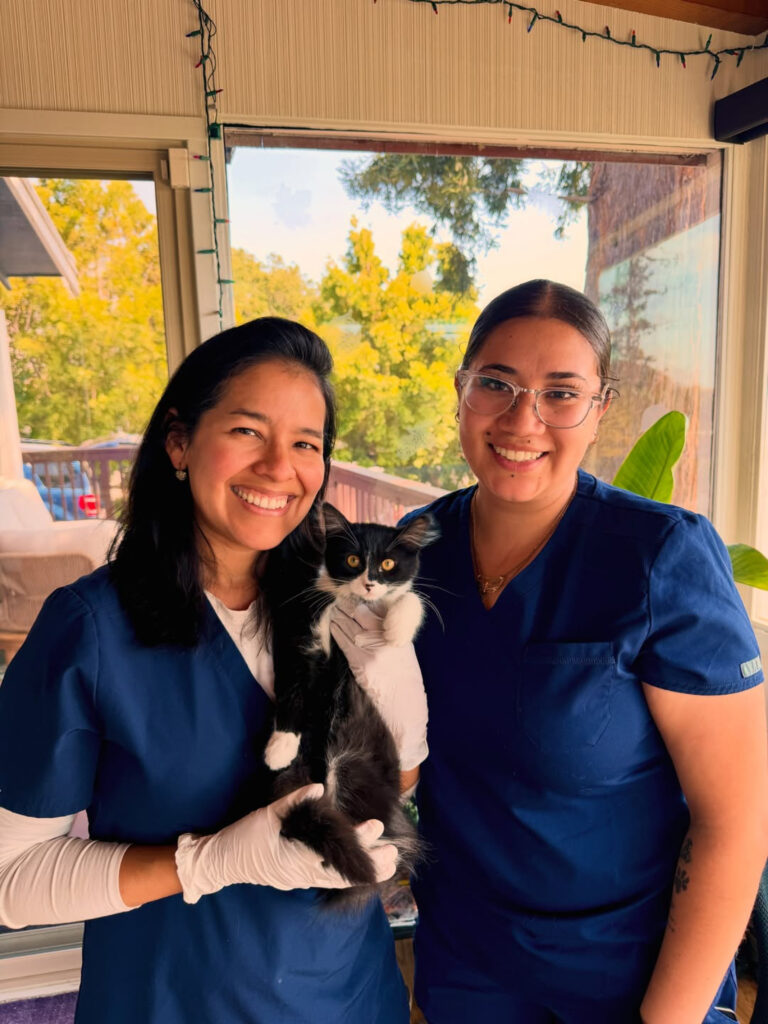
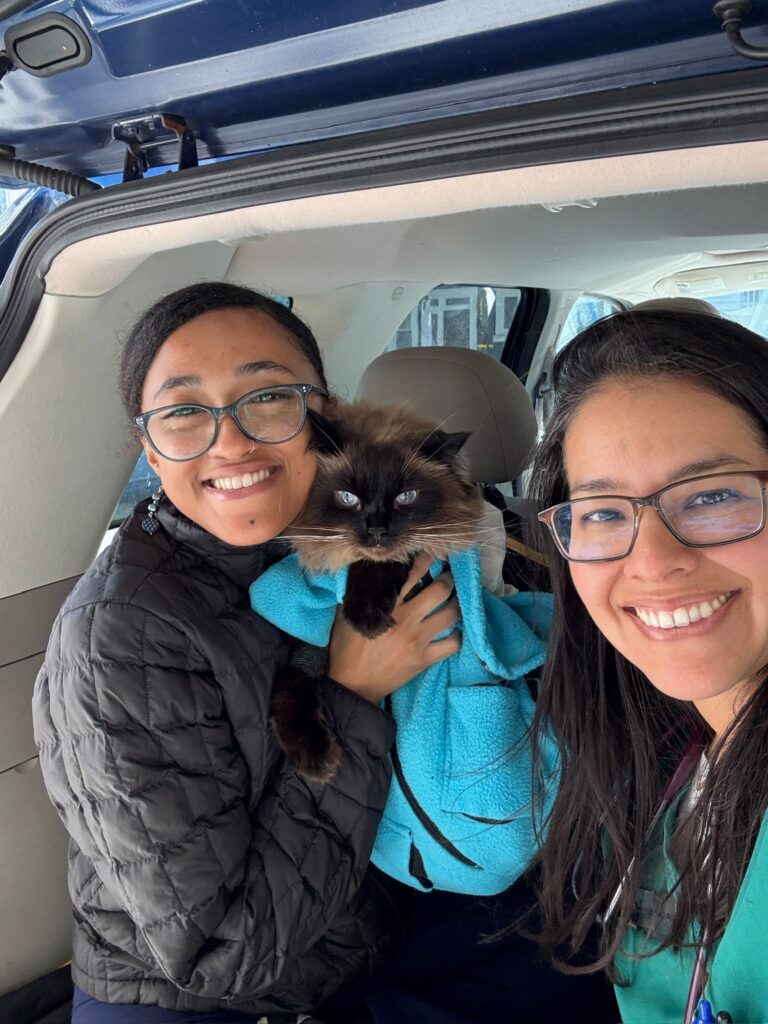
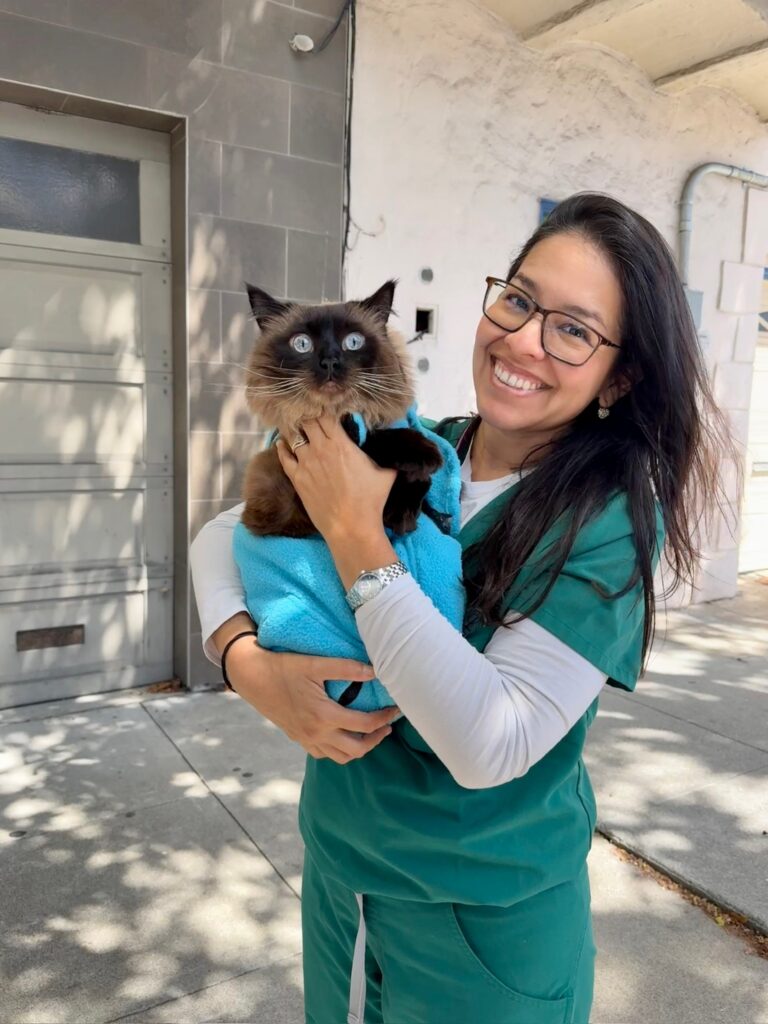
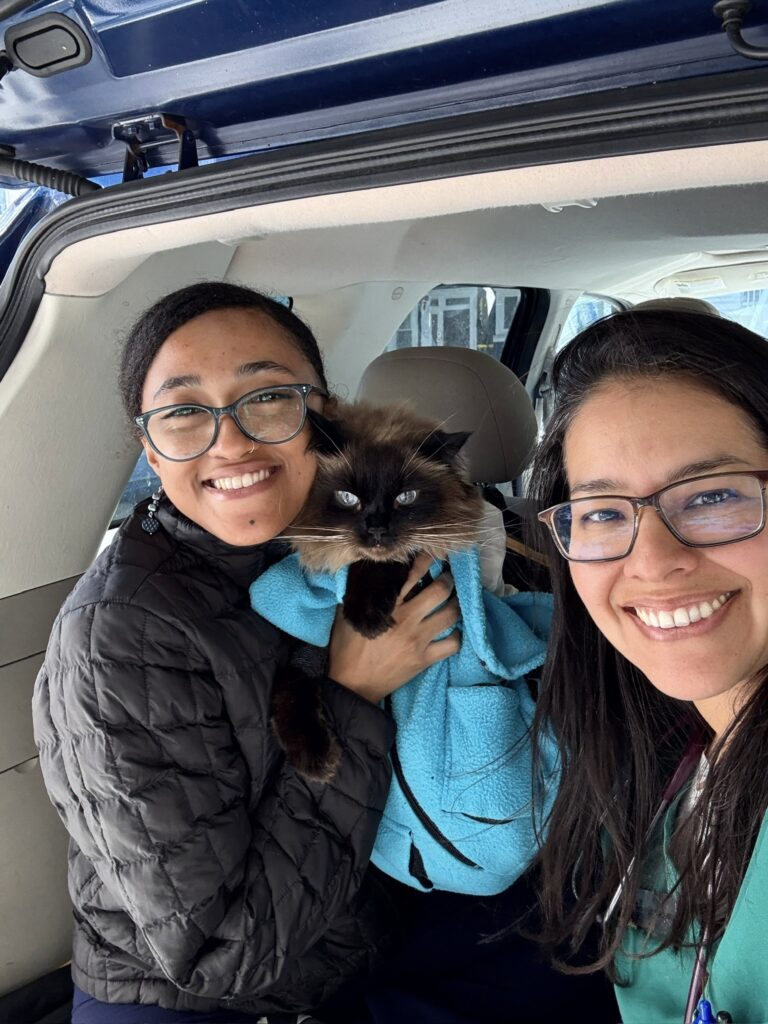
    MedranoVets selfie with cozy cat wrap burrito, Persephone. Photograph by Dr. Medrano.

    Additional Resources 📚

  • Summer Pet Emergencies Every Bay Area Pet Owner Should Know

    Summer Pet Emergencies Every Bay Area Pet Owner Should Know

    Foxtails, Bee Stings, Broken Nails, Hot Pavement Burns & Dehydration

    Bee among foxtails at Claremont Canyon Regional Preserve. Photograph by Allison Carden Hanes.

    Summer in the Bay Area means more hikes, park visits, beach trips and outdoor adventures with our pets. Unfortunately, it also brings seasonal hazards that can lead to unexpected veterinary emergencies. Knowing what to watch for can help you protect your pet and seek treatment before a minor issue becomes a major problem.

    Foxtails: The Hidden Danger on Bay Area Trails

    Foxtails are one of the most common reasons dogs visit veterinarians during the summer months. These sharp, barbed grass seeds are found throughout Bay Area parks, hiking trails, open spaces and dry grassy areas.

    Once attached to your pet, a foxtail can burrow into the skin, ears, nose, eyes or paws, causing painful infections and potentially serious complications.

    Foxtails at Fort Funston, San Francisco. Photograph by Dr. Medrano.

    Common Signs of a Foxtail

    • Sudden sneezing
    • Head shaking
    • Paw licking
    • Limping
    • Swollen or draining skin lesions
    • Squinting or eye irritation

    When to See a Vet

    If you suspect a foxtail is embedded anywhere on your pet, don’t wait. Prompt removal can prevent deeper migration and more extensive treatment.

    Wound being cleaned after foxtail removal. Photograph by Dr. Medrano.

    Bee Stings: More Than Just a Painful Surprise

    Dogs are naturally curious, and many learn the hard way that bees don’t appreciate being chased. While most bee stings cause mild swelling, some pets can develop severe allergic reactions that require immediate veterinary care.

    Signs of a Bee Sting

    • Swelling around the sting site
    • Pawing at the face
    • Redness
    • Whining or discomfort

    Emergency Warning Signs

    Seek immediate veterinary care if your pet develops:

    • Facial swelling
    • Difficulty breathing
    • Vomiting
    • Weakness or collapse

    Fast Treatment Matters

    Allergic reactions can progress quickly. If you’re unsure whether your pet is having a reaction, it’s safest to contact a veterinarian right away.

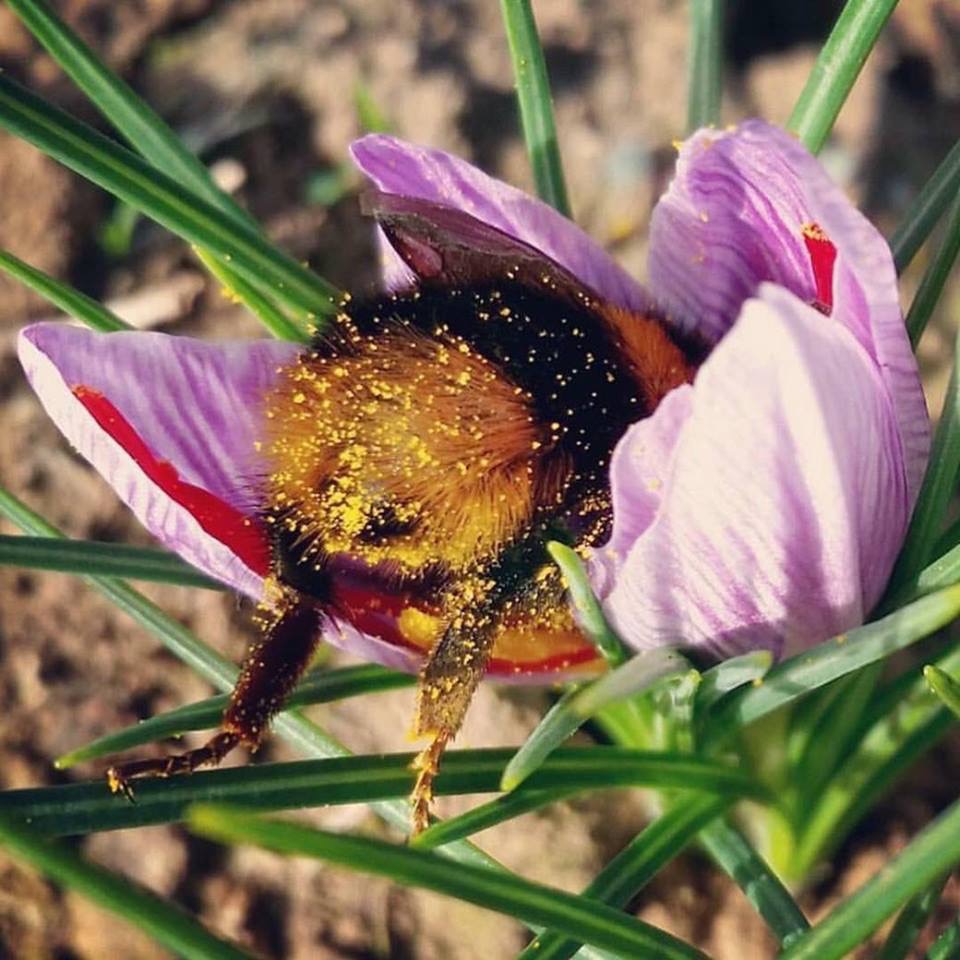
    Beware of cute bees. Photographer unknown.

    Broken Nails: Painful and Often Overlooked

    Broken nails are a frequent summer injury, especially for active dogs that hike, run or play on rough terrain.

    Although they may seem minor, torn nails can expose sensitive tissue, cause significant pain and become infected if left untreated.

    Signs of a Broken Nail

    • Limping
    • Bleeding from the paw
    • Excessive licking
    • Reluctance to bear weight
    Long toe nails pose issues if not trimmed. Photograph by Allison Carden Hanes.

    Veterinary Care May Be Needed

    Many broken nails require professional trimming, bandaging, pain management or antibiotics to heal properly.

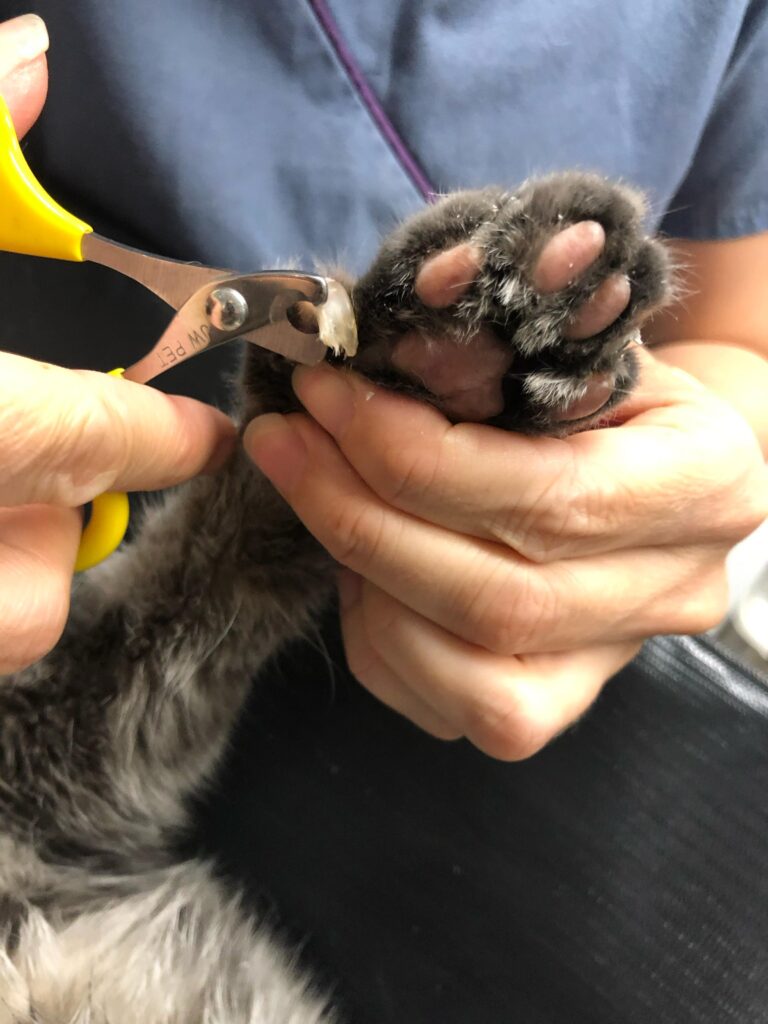
    Luna after her nail trim. Photo by Dr. Medrano.

    Hot Pavement Burns: A Preventable Summer Emergency

    Even on mild Bay Area days, asphalt and concrete can become hot enough to burn your dog’s paw pads.

    A good rule of thumb: if you can’t comfortably hold the back of your hand on the pavement for 7 seconds, it’s too hot for your pet.

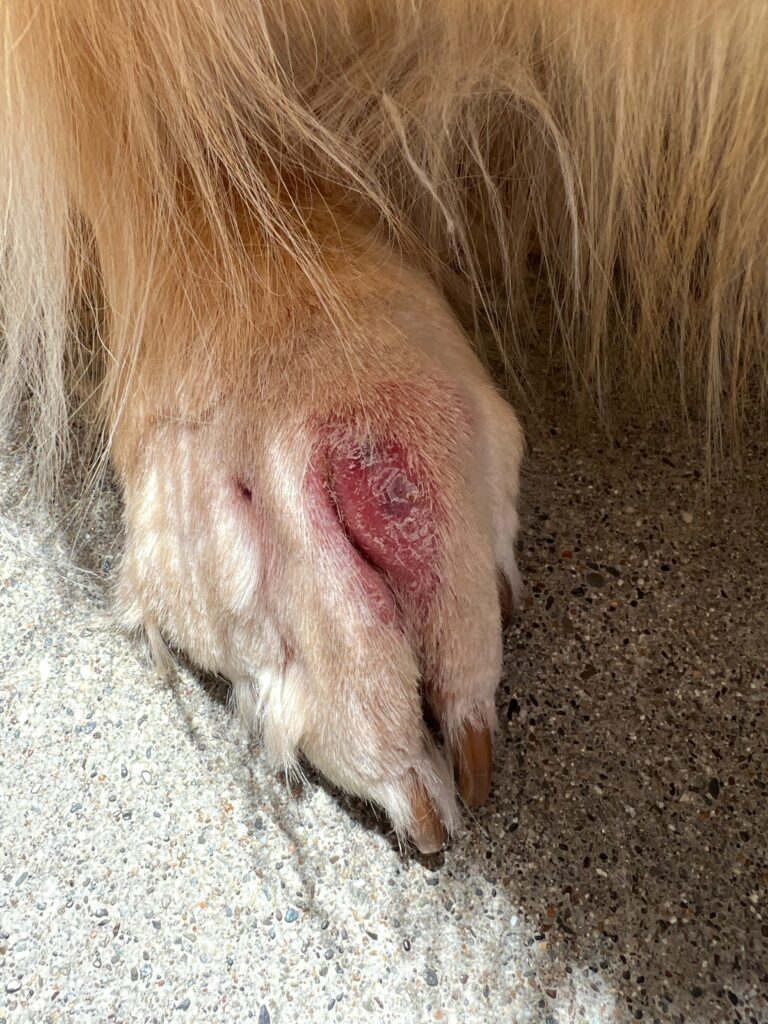
    Pup on pavement. Photograph by Dr. Medrano.

    Signs of Paw Burns

    • Limping
    • Refusing to walk
    • Blistered paw pads
    • Excessive licking of the feet

    Prevention Tips

    • Walk early in the morning or later in the evening.
    • Choose shaded or grassy routes.
    • Bring water and take frequent breaks.

    Dehydration: Especially Dangerous During Bay Area Heat Waves

    Many Bay Area pet owners don’t realize how quickly dehydration can occur during warm weather, particularly in inland communities where temperatures regularly climb higher than coastal areas.

    Pooch on pavement. Photograph by Dr. Medrano.

    Signs of Dehydration

    • Heavy panting
    • Dry gums
    • Lethargy
    • Sunken eyes
    • Weakness

    When It’s an Emergency

    If your pet appears weak, disoriented, collapses or refuses water, seek veterinary care immediately. Heat-related illness can become life-threatening very quickly.

    More information on heat stroke in dogs and cat by The American Animal Hospital Association can be found here: https://www.aaha.org/resources/how-to-prevent-heatstroke-in-dogs-and-cats/


    Need an Emergency Veterinarian in the Bay Area?

    If your dog or cat is experiencing a foxtail injury, bee sting reaction, broken nail, paw burn, dehydration or another urgent medical issue, prompt veterinary care can make all the difference.

    What MedranoVets Can Help With

    At MedranoVets, Dr. Medrano focuses on preventive and wellness care to help keep pets healthy year-round, including:

    ✓ Vaccinations and preventive care
    ✓ Ear infections and ear health evaluations
    ✓ Skin allergies, itching, rashes and other skin concerns
    ✓ Nutrition and weight management counseling
    ✓ Oral health and dental assessments
    ✓ Wellness exams and preventive screenings
    ✓ Diagnostic blood work and laboratory testing
    ✓ Parasite prevention and routine health monitoring

    Many summer health concerns can be addressed before they become emergencies with regular preventive care and early evaluation.

    When to Seek Emergency or Urgent Care

    Some conditions require immediate treatment, hospitalization, advanced diagnostics, surgery, IV fluids, oxygen support or around-the-clock monitoring. If your pet experiences any of the following, contact a local emergency or urgent care veterinary hospital immediately:

    ✓ Difficulty breathing
    ✓ Severe allergic reaction or facial swelling after a bee sting
    ✓ Heat stroke or heat exhaustion
    ✓ Collapse, seizures or loss of consciousness
    ✓ Severe dehydration
    ✓ Significant bleeding or trauma
    ✓ Suspected poisoning or toxin ingestion
    ✓ Broken bones or major injuries
    ✓ Persistent vomiting or diarrhea with lethargy
    ✓ Severe pain or inability to walk

    Bay Area Emergency Veterinary Resources

    For emergencies requiring hospitalization, IV fluids, advanced imaging, surgery or critical care, consider contacting:

    If you’re unsure whether your pet needs emergency care, call the nearest emergency or urgent care veterinarian for guidance. When in doubt, it is safer to have your pet evaluated promptly, especially for breathing difficulties, severe allergic reactions, heat-related illness or trauma.

    Please note: MedranoVets does not provide sedation procedures, emergency hospitalization, IV fluid therapy, bandaging of traumatic injuries or emergency critical care. Pets requiring those services should be seen at an emergency or urgent care veterinary hospital.

    Don’t wait for symptoms to worsen. Contact MedranoVets today if you are have questions or are not sure it is an emergency.

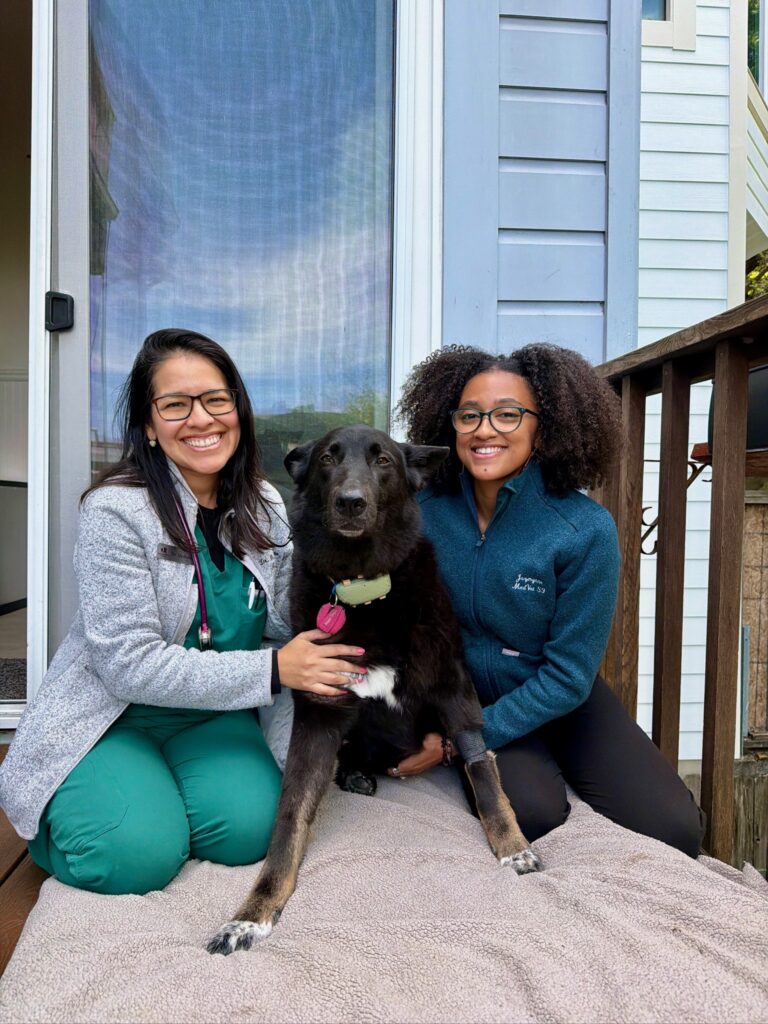
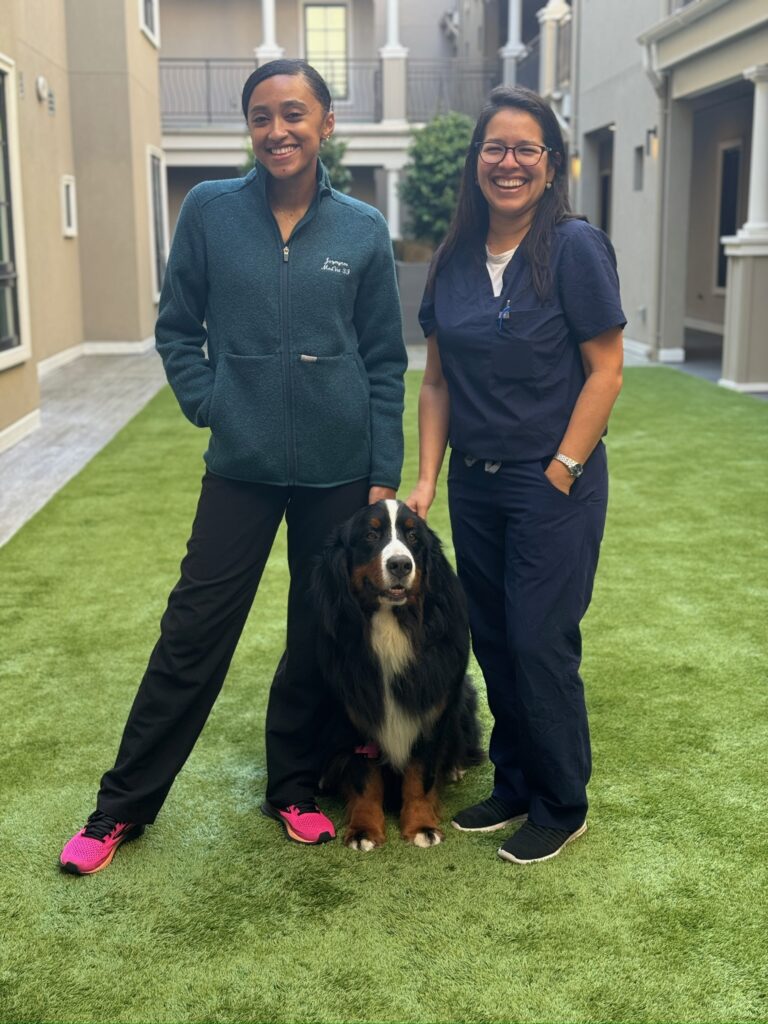
    Dr. Medrano and veterinary technician Jazmyne in San Francisco.

    MedranoVets provides compassionate mobile veterinary care throughout San Francisco and surrounding Bay Area communities, bringing veterinary guidance directly to your home.📱 Text to schedule an appointment: 1-415-506-8387

  • What Should I Feed My Dog? A Veterinarian’s Guide to Healthy Dog Nutrition

    As veterinarians, one of the most common questions we hear from pet owners across San Francisco and the Bay Area is:

    “What should I feed my dog?”

    With so many options available — grain-free diets, raw food, fresh food subscriptions, boutique brands, homemade meals and traditional kibble — it’s understandable to feel overwhelmed. The truth is that the “best” diet depends on your dog’s age, breed, lifestyle, medical history, body condition and individual needs.

    At MedranoVets, we believe nutrition is one of the most important foundations of lifelong health. A balanced diet supports:

    • Healthy weight management
    • Joint and mobility health
    • Skin and coat quality
    • Digestive health
    • Energy levels
    • Long-term disease prevention

    Below, we break down what Bay Area dog owners should know about feeding their dogs — and how to tell if your pet is truly at a healthy weight.


    🐶 What Makes a Good Dog Food?

    The best dog food is one that is:

    • Complete and balanced
    • Appropriate for your dog’s life stage
    • Backed by veterinary nutrition research
    • Consistently formulated and quality tested

    Look for foods that meet AAFCO nutritional standards, which indicate the food is formulated to provide complete nutrition for dogs.

    Important Factors to Consider:

    • Age: Puppies, adults and senior dogs have different nutritional needs
    • Breed size: Large-breed puppies require carefully balanced calcium and calories
    • Activity level: Working or highly active dogs may need more calories
    • Medical conditions: Allergies, kidney disease, arthritis, obesity and GI issues may require prescription or specialized diets

    🍖 Should I Feed Dry, Wet, Fresh or Raw Food?

    There is no one-size-fits-all answer.

    Dry Food (Kibble)

    Kibble is convenient, cost-effective and nutritionally balanced when using a reputable brand.

    Wet Food

    Canned diets can help increase water intake and may be beneficial for picky eaters or pets with dental issues.

    Fresh Food Diets

    Fresh diets have become increasingly popular in the Bay Area. Some dogs do very well on them, but portion control and nutritional balance are essential.

    Raw Diets

    Raw feeding remains controversial within veterinary medicine due to concerns about:

    • Nutritional imbalance
    • Bacterial contamination
    • Risks to immunocompromised pets and people

    If you are considering a homemade or raw diet, speak with your veterinarian or a board-certified veterinary nutritionist first.


    ⚖️ How Much Should I Feed My Dog?

    Henley patiently and seriously sitting for his treat after a walk in the rain. Photo by Allison Carden Hanes.

    One of the biggest contributors to health problems in dogs is overfeeding.

    Even healthy foods can lead to:

    • Obesity
    • Arthritis progression
    • Diabetes
    • Heart disease
    • Reduced lifespan

    Start With:

    • Your dog food bag’s feeding guidelines
    • Your veterinarian’s recommendations
    • Your dog’s body condition—not just weight

    Helpful Dog Calorie Calculator

    The Pet Nutrition Alliance Calorie Calculator is a useful starting point for estimating daily caloric needs:

    Pet Nutrition Alliance Calorie Calculator

    Remember: calorie needs vary significantly depending on age, metabolism, activity level and medical conditions.


    🩺 Is My Dog Overweight?

    Many pet owners are surprised to learn their dog is overweight. In fact, veterinary studies estimate that over half of dogs in the United States are overweight or obese.

    A healthy body condition matters far more than the number on the scale.

    Signs Your Dog May Be Overweight:

    • Difficulty feeling the ribs
    • Loss of a visible waistline
    • Reduced stamina or exercise intolerance
    • Difficulty jumping or climbing stairs
    • Heavy panting during mild activity
    Handsome boy getting his checkup. Photo by Dr. Medrano.

    📊 Body Condition Score (BCS): A Better Way to Assess Weight

    Veterinarians often use a Body Condition Score (BCS) chart instead of relying only on weight.

    In an ideal body condition:

    ✅ Ribs can be easily felt but not prominently visible
    ✅ Waist is visible from above
    ✅ Abdomen “tucks up” from the side

    Helpful Body Condition Chart

    The WSAVA Body Condition Score Chart is one of the most widely used veterinary tools:

    WSAVA Body Condition Score Chart

    Monitoring body condition regularly can help prevent obesity-related diseases before they start.


    🦴 What Human Foods Are Safe for Dogs?

    Some human foods are safe in moderation, including:

    • Plain cooked chicken
    • Carrots
    • Blueberries
    • Pumpkin
    • Green beans

    However, many common foods are toxic to dogs.

    🚫 Foods Dogs Should Never Eat

    • Grapes and raisins
    • Chocolate
    • Xylitol (found in sugar-free gum and peanut butter)
    • Onions and garlic
    • Alcohol
    • Macadamia nuts

    If your dog ingests something toxic, contact your veterinarian or poison control immediately.

    Gus enjoying his doggie ice scream after his vet visit. Photo by Dr. Medrano.

    🐾 Nutrition Needs Change Throughout Life

    Your dog’s nutritional requirements will change over time.

    Puppies

    Need higher calories and carefully balanced nutrients for growth.

    Adult Dogs

    Require maintenance nutrition tailored to activity level and lifestyle.

    Senior Dogs

    May benefit from:

    • Joint-support diets
    • Lower calorie intake
    • Increased digestibility
    • Prescription therapeutic diets

    Routine veterinary exams help ensure your dog’s diet evolves appropriately with age and health status.

    Toki girl calming down with some help from Churu. Photo by Dr. Medrano.

    🚐 How MedranoVets Can Help

    At MedranoVets, we provide mobile veterinary care throughout San Francisco and the Bay Area, including personalized nutrition guidance during in-home wellness visits.

    We can help with:

    • Weight management plans
    • Senior pet nutrition
    • Puppy feeding guidance
    • Prescription diet recommendations
    • Food allergy evaluations
    • Body condition assessments

    Because every dog is different, nutritional recommendations should always be individualized.

    📚 Additional Helpful Pet Nutrition Resources

    There is a tremendous amount of pet nutrition information online, but not all sources are evidence-based or medically accurate. We encourage pet owners to use trusted veterinary resources when researching diets, treats and feeding recommendations for their pets.

    Helpful Veterinary Nutrition Resources:


    📱 Questions About Your Dog’s Diet? We’re Here to Help

    If you’re unsure what to feed your dog, whether your dog is at a healthy weight or have questions about your pet’s diet, supplements, treats or weight management plan, the MedranoVets team is here to help guide you toward safe, individualized and evidence-based nutrition choices tailored to your pet’s unique needs.

    MedranoVets provides compassionate mobile veterinary care throughout San Francisco and surrounding Bay Area communities, bringing veterinary guidance directly to your home.📱 Text to schedule an appointment: 1-415-506-8387

    Dr. Medrano with Nyx. We look forward to meeting you!
  • 🐾 MedranoVets Tips On Pet Enrichment & Behavior

    🐾 MedranoVets Tips On Pet Enrichment & Behavior

    Help Your Dog or Cat Thrive — Mentally, Physically and Emotionally

    Puppy outside enjoying the sunshine and fresh air. Photo by Dr. Medrano.

    Enrichment is very important for your pets health and wellbeing. Additionally, if your pet is anxious, destructive or bored, the issue may not be training — it may be lack of enrichment.

    At MedranoVets, we help pet owners across San Francisco and the Bay Area improve their pets’ health through personalized enrichment and behavior care plans.

    👉 Book Your Enrichment Consultation Today

    Kitten playing at her annual check up appointment. Photo by Dr. Medrano.

    🌉 Why Pet Enrichment Matters in San Francisco and the Bay Area

    Urban living presents unique challenges for pets:

    • Small apartments and limited outdoor access
    • Noise from traffic, construction and crowds
    • Long periods alone during work hours

    Even with regular walks, many pets lack mental stimulation, leading to stress-related behaviors and health issues.

    Enrichment is essential — not optional.

    Louie with Dracula stuffy. Photo by Dr. Medrano.

    🐶 Signs Your Pet May Need Enrichment Support

    • Excessive barking, whining or meowing
    • Destructive chewing or scratching
    • Anxiety when left alone
    • Restlessness or pacing
    • Weight gain or low energy

    These are often symptoms of under-stimulation, not disobedience.


    🩺 Our Approach at Medranovets

    We take a veterinary-led, whole-health approach to enrichment and behavior.

    Your consultation includes:

    • Lifestyle and environment assessment
    • Behavior evaluation
    • Customized enrichment plan
    • Medical screening (if you are due)
    • Ongoing support and adjustments

    We combine science-backed veterinary care with practical, real-life solutions tailored to Bay Area living.


    🌿 Enrichment Ideas for Bay Area Pets

    Indoor (Apartment-Friendly)

    Schmidtty as a wild African savannah cat. Video by Dr. Medrano.
    • Rotating toys for novelty
    Kitty Lickin’ Layers – cat puzzle & feeder in one. Photo by Kitty Lickn’ Layers.

    Outdoor (Local Exploration)

    Take advantage of San Francisco’s pet-friendly spaces like:

    Dogs at play at Fort Funston. Photo by Rover.com.

    Top 10 Dog Parks in San Francisco

    Oakland pet-friendly spaces include:

    Greater Bay Area pet-friendly spaces include:

    Let your dog sniff, explore and engage — this is critical mental exercise.


    🐾 Clicker Training for Cats & Dogs

    What it is:
    Clicker training is a form of positive reinforcement training that uses a small “click” sound to mark a desired behavior, followed by a reward.

    Why it works:
    The click provides clear, consistent communication—helping both cats and dogs quickly understand what behavior is being rewarded.

    Tsunami using his wheel for exercise and to get treats! Video by Allison Carden Hanes.

    What you can teach:

    • Come when called
    • Sit, touch, or target
    • Calm behavior (like entering a carrier or crate)

    How to start:
    Click → reward immediately → repeat.
    Once your pet associates the click with a reward, begin marking simple behaviors.

    Pro Tip:
    Keep sessions short, fun, and end on a positive note.

    Allison practicing positive reinforcement clicker training with Tsunami. Video by Lindsey Wilder.

    ⭐ Why Bay Area Pet Owners Choose MedranoVets

    • Veterinary expertise in behavior and preventive care
    • Personalized, practical plans (no one-size-fits-all advice)
    • Experience with urban pet challenges
    • Compassionate, science-driven approach

    🚀 Get Started: Improve Your Pet’s Life Today

    Don’t wait for behavior problems to get worse. Early intervention can dramatically improve your pet’s quality of life.

    👉 Book Your Consultation

    Schedule a Pet Enrichment & Behavior Visit today.

    👉 Text Us For A Free Guide 1-415-506-8387

    “10 Easy Enrichment Activities for Busy Bay Area Pet Owners”

    👉 Contact Us

    Questions? Reach out — we’re happy to help.


    📍 Serving San Francisco & the Bay Area

    We work with pet owners throughout:

    • San Francisco
    • Oakland
    • Berkeley
    • Marin County

    ❓ Frequently Asked Questions

    Is enrichment really that important?
    Yes. Mental stimulation directly impacts behavior, stress levels and overall health.

    Can enrichment fix anxiety or destructive behavior?
    In many cases, yes — especially when combined with veterinary guidance.

    Do indoor cats need enrichment?
    Absolutely. Indoor cats are especially prone to boredom without it.

    More Questions? Schedule an appointment today!

    MedranoVets brings professional veterinary care directly to your home — giving you the time and space to ask deeper questions about your pet’s daily wellbeing, including enrichment, behavior and mental health.

    If you’ve recently welcomed a puppy — or want to improve your pet’s quality of life — now is the perfect time to schedule a wellness visit focused not just on physical health, but on enrichment strategies tailored to your pet’s age, breed and environment.

    Mobile visits offer a low-stress setting where your veterinarian can observe your pet in their home environment and provide personalized guidance on play, stimulation, and routines that support long-term health and happiness.

    Your pet’s wellbeing goes beyond medicine — it starts with how they live every day.

    📱 Text to schedule an appointment: 1-415-506-8387

  • National Puppy Day: Your New Puppy’s First Vet Visit — What to Expect

    National Puppy Day: Your New Puppy’s First Vet Visit — What to Expect

    Kole being a good boy. Photo by Dr. Medrano.

    Bringing home a new puppy is exciting — but one of the most important first steps in responsible pet ownership is scheduling your puppy’s first veterinary wellness visit.

    Early veterinary care helps ensure your puppy grows into a healthy, happy dog, and it gives pet owners guidance on everything from vaccines to nutrition.

    At MedranoVets, we make those first visits easier by providing mobile veterinary exams in the comfort of your home, helping puppies feel calm and safe during their first health check.


    When Should a Puppy Have Their First Vet Visit?

    Most veterinarians recommend scheduling a puppy’s first exam within the first week of bringing them home, or by 6–8 weeks of age.

    Early exams help detect potential health issues and start your puppy on the right schedule for:

    • Vaccinations
    • Parasite prevention
    • Nutrition guidance
    • Behavior and socialization advice
    • Overall wellness monitoring

    Getting started early sets the foundation for lifelong health.

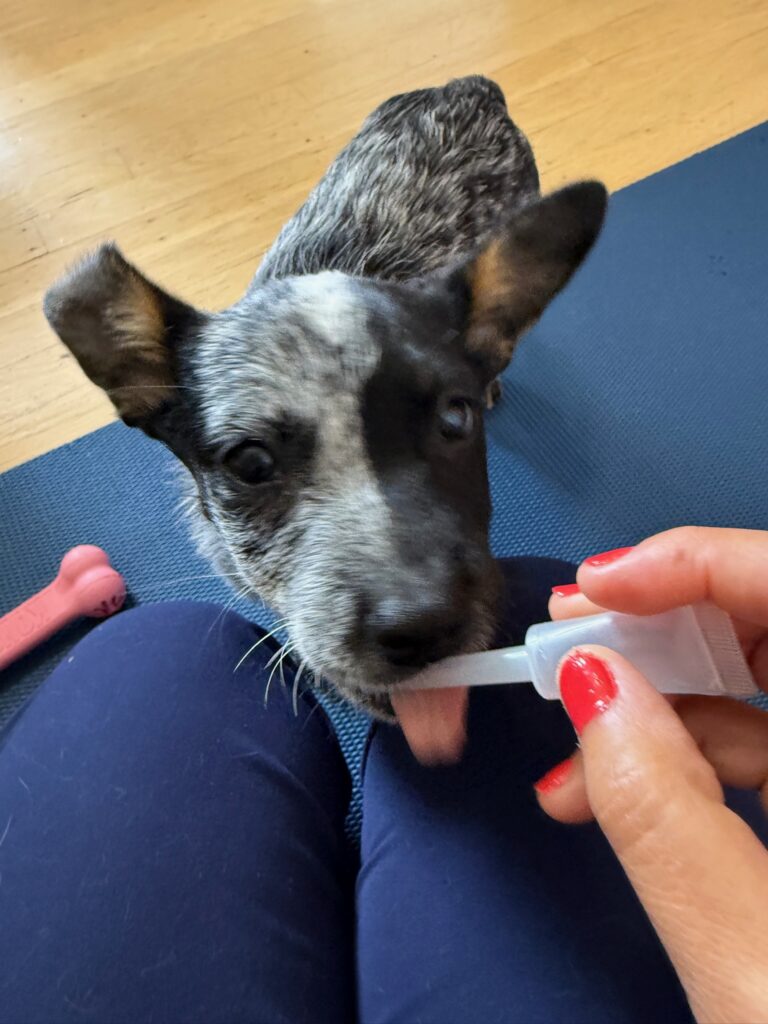
    Indio receiving an oral bordetella vaccine by Dr. Medrano.

    What Happens During Your Puppy’s First Veterinary Visit?

    Your puppy’s first veterinary exam is designed to give them a complete health evaluation.

    During the visit, the veterinarian will typically:

    Perform a full nose-to-tail exam

    This includes checking:

    • Eyes and ears
    • Heart and lungs
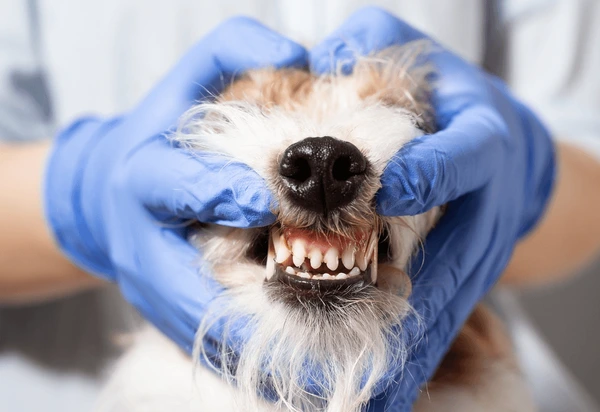
    • Teeth and gums
    • Skin and coat
    • Weight and growth
    • Joint development

    Discuss vaccination schedules

    Core vaccines usually begin around 6–8 weeks of age and protect against serious diseases such as:

    • Parvovirus
    • Distemper
    • Adenovirus
    • Rabies

    Your veterinarian will recommend a custom vaccine plan based on your puppy’s lifestyle and risk factors.

    Check for parasites

    Puppies are especially vulnerable to parasites such as:

    • Roundworms
    • Hookworms
    • Fleas
    • Ticks

    Your veterinarian may recommend preventive products from trusted brands like NexGard or Heartgard depending on your puppy’s needs.

    Review nutrition and feeding

    Puppies require balanced diets designed specifically for growth and development.

    Veterinarians often recommend high-quality puppy formulas such as those from Hill’s Science Diet or Royal Canin.

    Choosing the right diet supports:

    1. Healthy growth
    2. Immune system development
    3. Proper bone formation

    Discuss Safe Puppy Socialization

    Puppies’ socialization window closes at around 14 weeks, making early, positive exposure essential.

    • Introduce your puppy to a variety of people, environments, sounds and surfaces — not just other dogs
    • Prioritize safe exposure: only interact with healthy, vaccinated dogs and controlled settings
    • Keep experiences short, positive and low-stress to build confidence
    • Avoid overwhelming your puppy — let them approach new situations at their own pace
    • Use treats, praise and play to create positive associations
    • Limit contact with high-risk public areas until vaccinations are complete; use carriers or observe from a distance when needed
    • Watch for signs of fear (freezing, backing away) and adjust accordingly

    Why Mobile Veterinary Visits Are Great for Puppies

    For many puppies, visiting a veterinary clinic can be overwhelming.

    Mobile veterinary care allows puppies to receive their first checkups in a familiar environment, which can make the experience far less stressful.

    Benefits of at-home vet visits for puppies

    • Less stress and anxiety
    • No car rides or crowded waiting rooms
    • Personalized care and more time with the veterinarian
    • Ideal for multi-pet households
    • Convenient scheduling for busy owners

    At MedranoVets, we focus on making veterinary care comfortable, educational, and convenient for new pet parents.

    Blue Cheese not phased by his exam and vaccines. Photo by Dr. Medrano.

    Common Questions from New Puppy Owners

    How often do puppies need vet visits?

    Puppies typically visit the veterinarian every 3–4 weeks during their vaccination series, usually until about 16 weeks of age.

    What should I bring to my puppy’s first appointment?

    If available, bring:

    • Adoption or breeder paperwork
    • Vaccine records
    • A stool sample
    • Any questions you may have

    Do puppies need dental care?

    Yes. Even young dogs benefit from early dental care habits. Your veterinarian may recommend starting with safe pet toothpaste like those from Virbac.


    Celebrate National Puppy Day with Preventive Care

    National Puppy Day on March 23 is a wonderful reminder that preventive veterinary care is one of the best gifts you can give your new companion.

    Early veterinary visits help puppies:

    • Grow and develop properly
    • Prevent serious illnesses
    • Build positive veterinary experiences
    • Give owners confidence and guidance

    Starting care early can help your puppy enjoy a lifetime of good health.


    Schedule Your Puppy’s First Vet Visit

    MedranoVets brings professional veterinary exams directly to your home, making it easier for new puppy owners to provide the best care possible.

    If you’ve recently welcomed a puppy into your family, now is the perfect time to schedule their first wellness visit.

    Mobile veterinary visits provide convenient, personalized care without the stress of a clinic visit. Your puppy’s healthy future starts with their first veterinary exam.

    📍 Location: Bay Area, California

    📱 Text to schedule an appointment: 1-415-506-8387

    Say Cheese Opal! Dr. Medrano with a puppy in San Francisco.
  • Mobile Pet Dental Care: At-Home Veterinary Wellness Exams for Dogs and Cats

    Henley yawning in Fort Greene Park, Brooklyn. Photo by Allison Carden Hanes.

    February was dental month and we want to make sure you are informed. Dental disease is one of the most common medical conditions in dogs and cats, yet it often goes unnoticed by pet owners until it becomes painful or advanced.

    At MedranoVets, we provide convenient at-home veterinary wellness exams and dental evaluations so your pet can receive professional care without the stress of a clinic visit.

    Our goal is simple: catch dental problems early and keep your pet healthy and comfortable.


    Why Pet Dental Health Is So Important

    By age three, most pets develop some form of periodontal disease, which is an infection of the gums and teeth caused by plaque and tartar buildup.

    Without treatment, dental disease can lead to:

    • Painful gum infections
    • Tooth loss
    • Difficulty eating
    • Chronic inflammation
    • Bacteria spreading to the heart, kidneys, and liver

    Because pets naturally hide discomfort, dental disease can progress silently for months or years.

    That is why routine veterinary wellness exams and dental checks are essential.

    Signs Your Pet May Need a Dental Checkup

    Many pet owners contact a veterinarian after noticing symptoms such as:

    • Persistent bad breath
    • Yellow or brown tartar buildup
    • Red or bleeding gums
    • Drooling or pawing at the mouth
    • Difficulty chewing
    • Loose or damaged teeth

    If you notice any of these signs, scheduling a veterinary dental evaluation can help prevent more serious health problems.


    Common Questions Pet Owners Ask About Pet Teeth

    Is bad breath normal for dogs or cats?

    No. Persistent bad breath is often the first warning sign of dental disease caused by bacteria under the gumline.

    Does my pet really need dental exams?

    Yes. Regular veterinary exams help detect early gum disease, tooth damage and oral infections before they become serious.

    My pet still eats normally. Could they still have dental pain?

    Yes. Many animals continue eating even when experiencing significant dental discomfort.

    How often should pets have dental checks?

    Dental health should be evaluated during every annual or semi-annual wellness visit.


    The Benefits of Mobile Veterinary Care

    For many pets, visiting a traditional veterinary clinic can be stressful. Mobile veterinary services provide a calmer and more convenient alternative.

    With MedranoVets, your pet receives professional veterinary care in the comfort of home.

    Advantages of mobile veterinary visits:

    • Reduced stress and anxiety for pets
    • No transportation or waiting rooms
    • Convenient for busy pet owners
    • More personalized attention
    • Ideal for senior pets and multi-pet households

    At-home visits also allow veterinarians to spend more time discussing preventive care, nutrition and dental health with pet owners.


    Preventing Dental Disease at Home

    Veterinary exams are essential, but simple daily habits can help maintain your pet’s oral health between visits.

    Brushing your pet’s teeth

    Daily brushing with pet-safe toothpaste can significantly reduce plaque buildup. Many veterinarians recommend enzymatic toothpaste from Virbac designed specifically for dogs and cats.

    Dental chews

    Dental treats can help reduce plaque and tartar. Products approved by the Veterinary Oral Health Council are proven to support oral health. Popular options include dental chews from Greenies.

    Routine wellness exams

    Regular veterinary exams remain the most effective way to detect dental disease early.


    What Happens During a Dental Wellness Visit?

    During your pet’s at-home veterinary exam, the veterinarian will:

    • Examine teeth and gums for plaque, tartar and infection
    • Check for fractured or loose teeth
    • Evaluate gum health and oral inflammation
    • Look for signs of periodontal disease
    • Recommend preventive dental care or treatment if needed

    These evaluations help ensure your pet remains healthy, comfortable and pain-free.


    Schedule an At-Home Veterinary Visit

    Dental disease is one of the most preventable health problems in pets when detected early.

    With MedranoVets, your pet can receive professional wellness and dental care without leaving home.

    Early dental care helps prevent pain, improves quality of life and protects your pet’s overall health.

    📞 Schedule your pet’s at-home wellness and dental check today 1-415-506-8387

    📍 Serving Berkeley and surrounding communities

    Dr. Medrano visiting Persephone in the Mission, San Francisco.
  • Leptospirosis Alert in Berkeley: What Every Pet Owner Needs to Know

    Leptospirosis Alert in Berkeley: What Every Pet Owner Needs to Know

    You may have already heard on the news that local health officials have reported a leptospirosis outbreak near the Harrison Street corridor in Berkeley, where numerous infected rats have been identified and at least two dogs have tested positive. This is an important reminder for Bay Area pet owners to stay vigilant and proactive.

    At MedranoVets, your pet’s health and safety are our top priorities. Here’s everything you need to know about leptospirosis — from first symptoms to treatment and prevention.

    A view of leptospira bacteria, spiral-shaped microorganisms that are responsible for the leptospirosis infection. Photography by quantic69/Getty Images/SF GAte

    What Is Leptospirosis?

    Leptospirosis (often called “lepto”) is a serious bacterial infection that affects dogs and can also spread to humans (zoonotic disease).

    It is transmitted through:

    • Contaminated water (puddles, lakes, stagnant water)
    • Wet soil or mud
    • Wildlife urine (rats, raccoons, deer, coyotes, and other mammals)
    • Contact with infected dog urine

    ⚠️ Dogs do NOT need to swim in lakes to be exposed — even sniffing or walking through contaminated puddles can pose a risk.

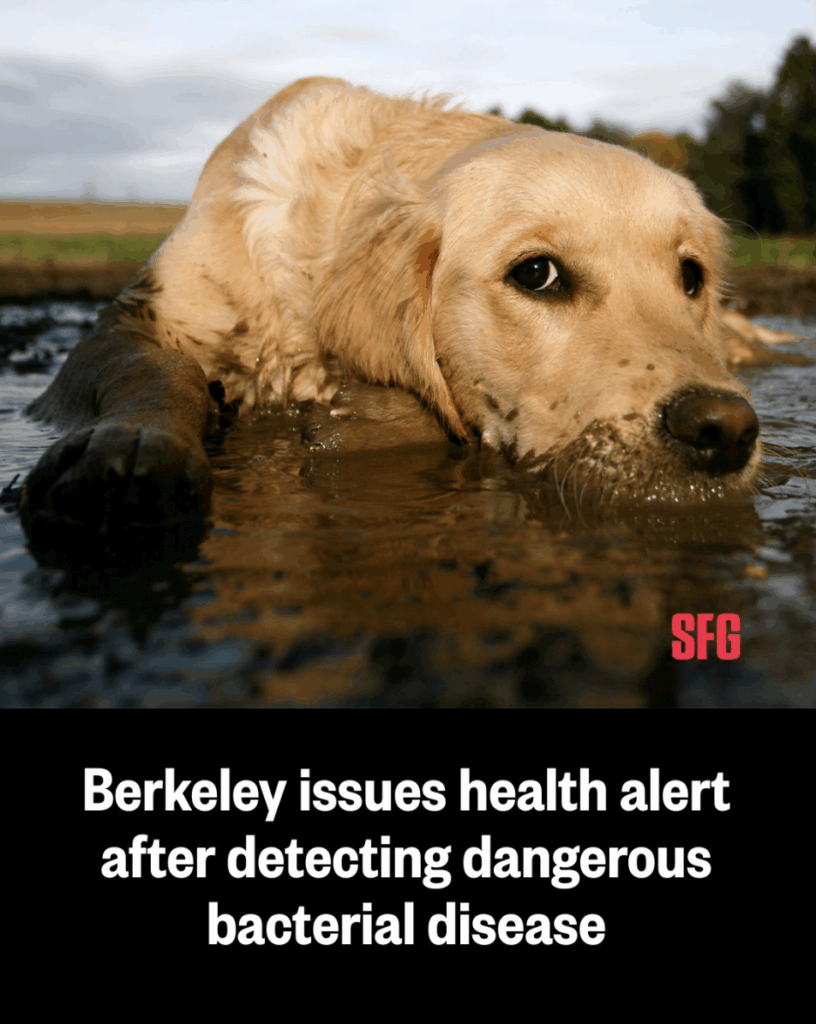
    A golden retriever puppy lies in a muddy puddle. Photography by Getty Images/SF Gate

    Why Is Berkeley at Risk Right Now?

    Health officials have identified:

    • “Numerous” infected rodents
    • At least two confirmed canine cases
    • Increased risk near encampments and high rodent areas

    Urban environments — including neighborhoods, parks and sidewalks — can harbor the bacteria.

    Read more:

    https://www.sfgate.com/bayarea/article/berkeley-dangerous-bacterial-disease-21299405.php

    https://abc7news.com/post/bubbas-story-health-officials-warn-leptospirosis-highly-contagious-deadly-bacterial-disease-affecting-dogs-people/18580688

    What Are the First Clinical Symptoms of Leptospirosis?

    Early detection is critical.

    Early Symptoms (First 3–7 Days):

    • Fever
    • Lethargy
    • Vomiting
    • Loss of appetite
    • Muscle tenderness or stiffness

    Progressive Symptoms:

    • Increased thirst
    • Increased urination
    • Abdominal pain
    • Jaundice (yellowing of eyes or gums)
    • Diarrhea
    • Dehydration

    In severe cases, leptospirosis can cause kidney failure or liver damage.

    🎥 Watch early warning signs here:
    https://www.instagram.com/reel/DUq-DOqkSht/?igsh=aW14cmlobDM5dDZo


    When Should You Call a Vet?

    Call your veterinarian immediately if:

    • Your dog has sudden lethargy or vomiting
    • They were recently exposed to puddles, wildlife areas, or rodent-prone zones
    • They are drinking or urinating excessively
    • You notice yellowing of the eyes or gums

    🚨 Leptospirosis progresses quickly. Early treatment significantly improves survival rates.

    If you’re in the Berkeley area and concerned, contact MedranoVets right away.

    Veterinary technician Jazmynne and Dr. Medrano with Juno in San Francisco.

    How Is Leptospirosis Treated?

    Treatment depends on severity but may include:

    • Immediate hospitalization
    • IV fluids for kidney support
    • Antibiotics (such as doxycycline or penicillin derivatives)
    • Anti-nausea medication
    • Pain management
    • Monitoring of kidney and liver function

    Early treatment can be life-saving.

    Dogs who recover may still require follow-up testing to ensure kidney and liver function return to normal.


    Preventative Care: The Leptospirosis Vaccine

    The BEST protection against leptospirosis is vaccination.

    Important Updates:

    The leptospirosis vaccine is now considered core in our region.
    Recommended for ALL dogs — including small and toy breeds.
    Requirements:

    1. Initial series (2 vaccines, 2–4 weeks apart)
    2. Annual booster every 12 months

    If your dog’s vaccine was given more than 12 months ago, they are NOT fully protected.


    Additional Prevention Tips

    • Do not allow dogs to drink from puddles or unknown water sources (including public hydration stations)
    • Avoid stagnant water and muddy areas
    • Keep food sealed to discourage rodents
    • Secure trash bins
    • Schedule annual wellness exams
    Marley playing in a stream in Lake Tahoe. Photograph by Dr. Marcia Medrano.

    Why Early Vaccination Matters

    Dogs that are vaccinated:

    • Have significantly lower infection risk
    • Experience milder symptoms if exposed
    • Are less likely to spread infection

    Because leptospirosis can spread to humans, vaccination protects your entire household.


    Frequently Asked Questions

    Can indoor dogs get leptospirosis?

    Yes, urban rodent exposure makes even indoor dogs vulnerable.

    Is it contagious between dogs?

    Yes, infected dogs can shed bacteria in their urine.

    Is it treatable?

    Yes, especially when caught early.

    Can other pets like cats get leptospirosis?

    Yes, cats can get leptospirosis, although it is considered rare compared to dogs. It can be contracted by outdoor cats hunting rodents or drinking contaminated water. Symptoms include fever, lethargy, vomiting and kidney issues. There is currently no vaccine available for cats.

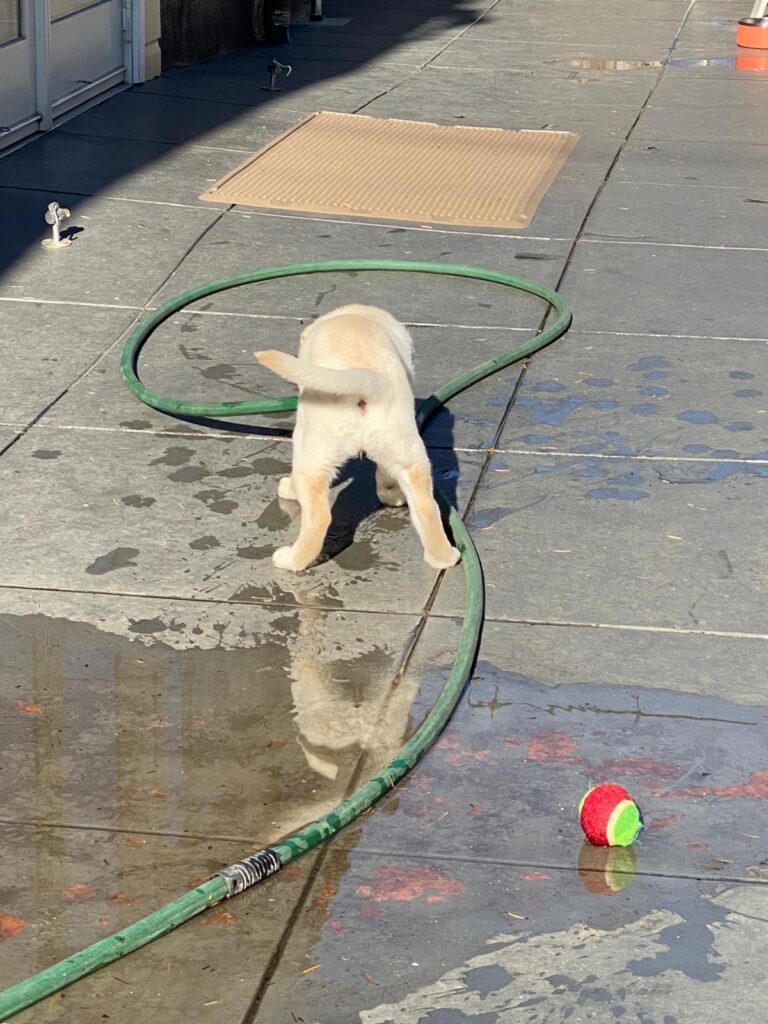
    Torta playing with hose water. Photograph by Dr. Medrano.

    What To Do Now

    If you live near Berkeley — especially near the Harrison Street corridor — we strongly recommend:

    1. Confirm your dog’s lepto vaccine is current (within 12 months)
    2. Schedule vaccination if overdue
    3. Monitor closely for symptoms
    4. Contact MedranoVets with any concerns

    📍 Serving Berkeley and surrounding communities
    📞 Text us today to schedule a wellness exam and vaccine 1-415-506-8387


    Final Thoughts

    Leptospirosis is preventable.

    With vaccination, early recognition, and prompt treatment, we can protect our pets — and our families — from this serious infection.

    If you have questions about your dog’s risk or vaccination status, reach out to MedranoVets. We’re here to help keep your pets safe and healthy all year long.

  • When Should I Take My Pet to the Vet? Common Questions Answered

    Living in San Francisco and the surrounding Bay Area, pet parents often face busy schedules, traffic and limited appointment availability. That can make it hard to know when veterinary care is truly needed. If you’ve ever searched “When should I take my pet to the vet?” or “Mobile vet near me in San Francisco,” you’re not alone.

    At MedranoVets, we provide convenient, compassionate mobile veterinary care throughout San Francisco and the Bay Area, helping pets receive medical attention in the comfort of their own homes whenever possible.

    Below, we answer the most common questions Bay Area pet owners ask.


    Signs Your Pet Needs a Vet Right Away

    Some symptoms should never wait. If your pet shows any of the following signs, seek veterinary care immediately. When in doubt, it’s always safer to act quickly.

    🚨 Emergency Warning Signs in Pets

    Contact a veterinarian or emergency animal hospital right away if your pet has:

    • Difficulty breathing or excessive panting
    • Collapse, seizures or sudden weakness
    • Severe bleeding or trauma (falls, dog bites, car accidents)
    • Repeated vomiting or diarrhea lasting more than 24 hours
    • Vomiting blood or passing black, tarry stools
    • Inability to urinate or defecate
    • Sudden trouble walking or paralysis

    🔴 Bloat (GDV) in Dogs — A Life-Threatening Emergency

    Bloat is one of the most serious emergencies in dogs and requires immediate care.

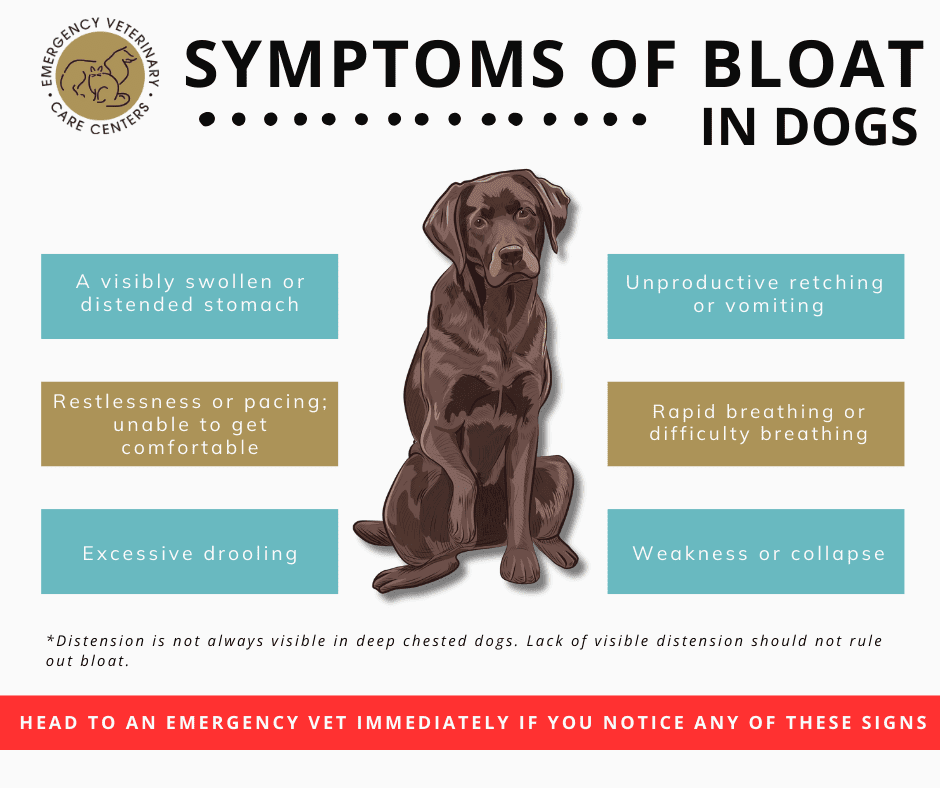
    Signs of bloat include:

    • A suddenly swollen or hard abdomen
    • Unproductive retching or gagging (trying to vomit but nothing comes up)
    • Excessive drooling or foaming at the mouth
    • Restlessness, pacing or visible anxiety
    • Rapid or labored breathing
    • Weakness or collapse

    Bloat occurs when the stomach fills with gas and may twist on itself, cutting off blood flow to vital organs. Without emergency treatment, bloat can be fatal within hours.

    ⚠️ If you suspect bloat, do not wait or monitor at home. Go to the nearest emergency veterinary hospital immediately.


    When Should I Take My Dog to the Vet?

    Dogs are very good at hiding pain, which means even subtle changes can indicate a problem.

    Schedule a vet visit if your dog shows:

    • Lethargy or decreased energy lasting more than a day
    • Loss of appetite for 24 hours or more
    • Limping, stiffness, or difficulty standing or climbing stairs
    • Persistent itching, licking, or skin irritation
    • Ear redness, odor, or frequent head shaking
    • Coughing or sneezing that doesn’t improve

    Dogs at Higher Risk for Bloat

    While bloat can happen to any dog, it is more common in:

    If your dog falls into a higher-risk group, any signs of abdominal swelling or distress should be treated as an emergency.

    • Large or deep-chested breeds (Great Danes, German Shepherds, Dobermans, Standard Poodles)
    • Dogs that eat very quickly
    • Dogs that exercise soon after meals
    • Senior dogs

    When Should I Take My Cat to the Vet?

    Cats often hide illness until it becomes serious, so early changes matter.

    Bring your cat in if you notice:

    • Hiding more than usual
    • Changes in litter box habits
    • Not eating for 24 hours
    • Repeated vomiting
    • Weight loss or muscle loss
    • Drooling or bad breath
    • Sudden behavior or personality changes

    ⚠️ Male cats straining to urinate need immediate veterinary care, as this can quickly become life-threatening.


    Is Vomiting or Diarrhea an Emergency?

    Occasional stomach upset can happen, but it shouldn’t be ignored.

    Contact your vet if:

    • Vomiting or diarrhea lasts longer than 24 hours
    • Blood is present
    • Your pet is lethargic, weak or dehydrated
    • Your pet is a puppy, kitten, senior or has an existing medical condition

    Early intervention often prevents more serious complications.


    How Often Should My Pet See a Veterinarian?

    Routine wellness care plays a major role in long-term health — especially for pets living in urban environments like San Francisco and the surrounding metropolis area.

    🩺 Recommended Veterinary Visit Schedule:

    • Puppies & kittens: Every 3–4 weeks until fully vaccinated
    • Adult pets: Once per year
    • Senior pets (7+ years): Every 6 months

    Preventive care helps catch problems early, when they’re easier — and less costly — to treat.

    Can I Wait and Monitor My Pet at Home?

    For very mild symptoms, short-term monitoring may be appropriate if your pet is eating, drinking and acting normally.

    However, do not wait if:

    • Symptoms worsen
    • New symptoms appear
    • Your pet stops eating or drinking
    • You feel unsure or uncomfortable waiting

    A quick call to your veterinarian can help guide next steps.


    Why Bay Area Pet Owners Choose Mobile Veterinary Care

    Between traffic, parking challenges and anxious pets, traditional clinic visits aren’t always ideal.

    🚐 Benefits of Mobile Vet Care with MedranoVets:

    • Less stress for pets (especially cats and senior animals)
    • No car rides or crowded waiting rooms
    • Personalized, one-on-one care
    • Convenient appointments throughout San Francisco and the Bay Area

    When appropriate, early at-home care can prevent conditions from becoming emergencies.


    Still Wondering If Your Pet Needs a Vet? We’re Here to Help

    If you’re asking, “Should I take my pet to the vet?”, the safest answer is usually yes.

    MedranoVets provides mobile veterinary services across San Francisco and surrounding Bay Area communities, bringing high-quality veterinary care directly to your home whenever possible.

    📞 Text MedranoVets today to schedule a mobile veterinary visit: 1-415-506-8387!

  • Christmas Day with Pets: Healthy Gifts & Hidden Holiday Dangers

    Christmas is a time of joy, generosity and family—pets included. As a veterinary professional, one of my favorite parts of the season is seeing how deeply people want to care for their animals. Below are two important ways to do just that: choosing gifts that truly support your pet’s well-being and protecting them from common holiday hazards.


    Schmidt in his Santa tuxedo. Photo by Dr. Marcia Medrano.

    The Best Christmas Gifts for Your Pet’s Health & Happiness

    While toys and treats are always fun, the most meaningful gifts are those that support your pet’s physical and mental health all year long.

    🎁 Enrichment Toys

    Interactive toys, puzzle feeders and snuffle mats stimulate your pet’s brain, reduce anxiety and help prevent destructive boredom— especially helpful during winter months when walks may be shorter.

    Vet tip: Mental stimulation is just as important as physical exercise, particularly for senior pets and high-energy breeds.

    🎁 High-Quality Nutrition & Treats

    Look for species-appropriate, high-quality treats with minimal ingredients. Carrots, green beans, small pieces of apples and broccoli 🥦 treats are often a great choice for dogs and cats with sensitivities.

    Avoid: Rawhide, overly processed chews, and treats with artificial dyes or sweeteners.

    🎁 Joint, Dental & Preventive Health Support

    Supplements for joints, omega-3s for skin and coat health, and dental chews approved by veterinary dental organizations can be thoughtful and practical gifts.

    Bonus gift: A dental cleaning or wellness exam scheduled for the new year.

    🎁 Comfort & Rest

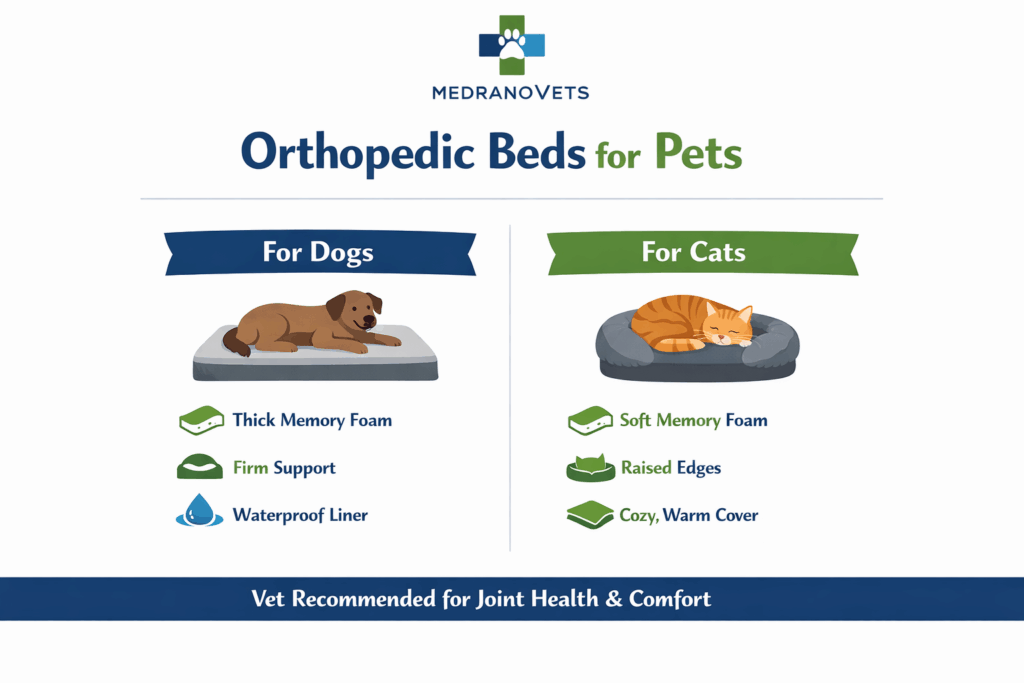
    Orthopedic beds, heated pads (designed specifically for pets), or calming wraps can dramatically improve comfort — especially for older animals or those with arthritis.


    Holiday Toxins & Dangers to Keep Pets Safe This Season

    The holidays bring unfamiliar foods, decorations, and guests —many of which pose serious risks to pets.

    ⚠️ Toxic Foods

    Keep pets away from:

    • Chocolate
    • Grapes & raisins
    • Onions, garlic & chives
    • Alcohol
    • Xylitol (found in sugar-free baked goods and gum)

    Reminder: Even small amounts can be life-threatening.

    ⚠️ Plants & Decorations

    • Poinsettias, mistletoe and holly can cause irritation or toxicity
    • Tinsel, ribbons and ornament hooks can cause dangerous intestinal blockages
    • Christmas tree water may contain fertilizers or bacteria
    Schmidty ready for Christmas Day! Photo by Dr. Marcia Medrano.

    ⚠️ Candles, Fires & Electrical Cords

    Curious tails and noses can easily knock over candles or chew cords. Use flameless candles when possible and keep cords covered or secured.

    ⚠️ Stress & Escape Risks

    Open doors, loud gatherings and schedule changes can cause anxiety or lead to pets escaping.

    Tip: Ensure your pet is microchipped and wearing a collar with an up-to-date ID.

    Reminder: For a toxic pet emergency, call the ASPCA Animal Poison Control Center at (888) 426-4435 or the Pet Poison Helpline (855)-764-7661 for 24/7 expert advice!


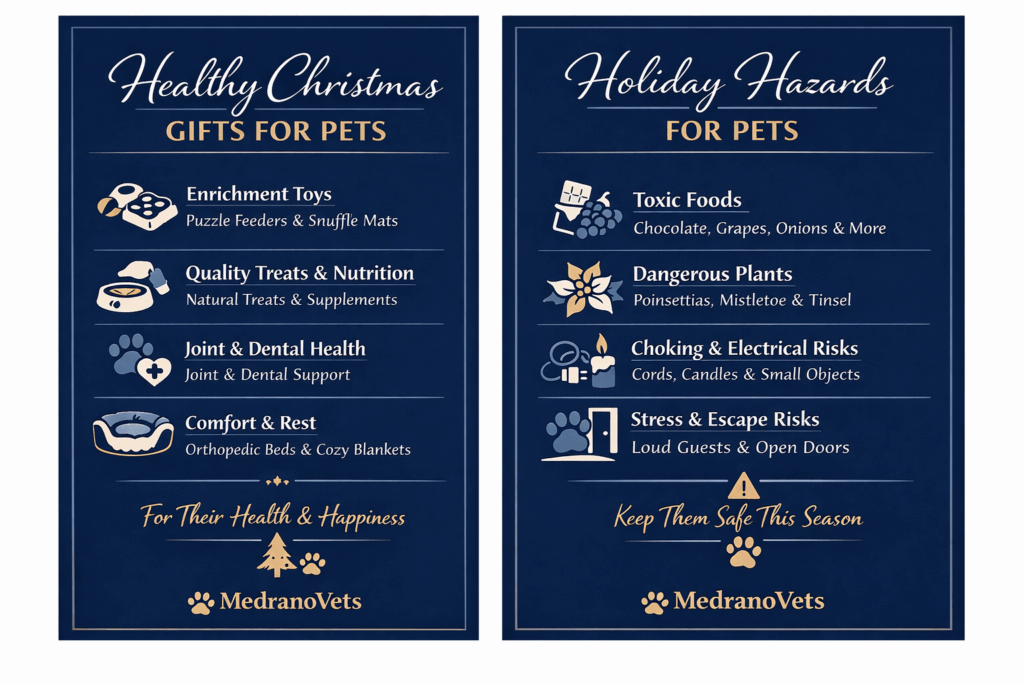
    Download and share our Healthy Christmas Gifts For Pets and Holiday Hazards For Pets reminder!

    A Final Christmas Reminder

    The greatest gift you can give your pet is presence, patience, and preventive care. A quiet walk, extra cuddle or maintaining routines during a busy season can mean more to them than any wrapped package.

    From our veterinary family to yours — wishing you a safe, healthy, and love-filled Christmas Day 🎄🐶🐱

    Much Love,

    Dr. Medrano and Santa Schmidt ❤️

  • Celebrating World Animal Enrichment Day: Keep Your Pet Happy & Healthy at Home

    November 12, 2025

    Happy World Animal Enrichment Day! 🎉

    Today is all about celebrating our beloved pets by giving them activities that stimulate their minds and keep them happy. Whether it’s a new puzzle toy, a game of fetch, a catnip-filled treat or even teaching a new trick, there are countless ways to make your pet’s day extra special.

    At MedranoVets, we believe that enrichment is crucial for your pet’s overall well-being. It engages their natural behaviors and problem-solving skills, keeping them mentally stimulated and physically active—even when they’re at home.

    Enzo enjoying his pile of toys. Photo by Dr. Medrano.

    Why Animal Enrichment Matters

    Mental stimulation is just as important as physical exercise for our furry friends. Without proper enrichment, pets can become bored, anxious or develop behavioral issues. The good news? Enrichment doesn’t have to be expensive or complicated. With a little creativity and some household items, you can transform your pet’s daily routine into an engaging adventure.

    Easy Enrichment Ideas for Dogs and Cats

    1. Puzzle Feeders & Food Games

    Transform mealtime into playtime! Puzzle feeders, treat-dispensing balls, and food mazes require your pet to solve a problem to get their reward. This is especially great for pets who eat too fast and need to slow down.

    Pip and her enrichment game. Video by Dr. Medrano.
    Photo by Saleswset.

    Pro Tip: Start with easier puzzles and gradually increase the difficulty as your pet gets better at solving them.

    Check out Nina Ottosson’s website for fantastic toy options: https://www.nina-ottosson.com/products/great-for-cats/

    2. Scent Games & Sniffing Activities

    Your pet’s sense of smell is incredibly powerful—let them use it!

    • Scavenger Hunt: Hide high-value treats around the house or yard and let your dog use their nose to find them
    • Snuffle Mats: Create a DIY snuffle mat by tying strips of fabric to a rubber mat and hiding treats among the fabric strips
    Photo by Snuffles.

    3. DIY Toys from Household Items

    Get creative with items you already have at home:

    • Sock n’ Ball: Put a tennis ball inside a sock and tie it tightly at the top for a simple chew and toss toy
    • Kitchen Towel Rope: Fold an old kitchen towel into a thick rope and tie knots in it for a tug toy
    • Empty Cereal Box: Hide treats inside an empty cereal box and let your pet rip it open (supervised play only!)
    • Crinkle Bottle: Put an empty plastic water bottle inside a sock and tie it securely for a crinkly, engaging toy

    4. Training & Trick Sessions

    Training isn’t just about obedience—it’s mental exercise! Teaching your pet new commands or refreshing old ones provides excellent cognitive stimulation.

    Ideas to try:

    • Teach a new trick (roll over, shake, spin)
    • Practice leash training (yes, even cats can learn!)
    • Work on basic commands in different environments
    • Try clicker training for precision learning

    5. Interactive Play Games

    Fetch: Works both indoors and outdoors (use soft toys inside!)

    Tug-of-War: Great exercise for both you and your dog—just establish clear rules

    Hide-and-Seek: Hide somewhere in your home and call your pet. When they find you, reward them with belly rubs, treats or their favorite toy

    Lady Bird playing with her ball by the pool. Video by Allison Carden Hanes.

    6. Rotate Toys Regularly

    If your pet has accumulated a mountain of toys, chances are some have been forgotten. Keep things fresh by rotating their toy selection every week or two. Choose 3-4 “new” toys to bring out while storing the rest. This keeps your pet excited and engaged—plus it helps reduce clutter!

    Important: Always leave out your pet’s favorite comfort toy.

    7. Create a Window Watching Station

    Set up a cozy window perch where your pet can observe the world outside:

    • Place a comfy blanket or bed on a windowsill for cats
    • Position a chair or bench by the window for dogs
    • Add a bird feeder outside for wildlife entertainment
    Stelle watching the birds at her bird feeder. Photo by Allison Carden Hanes.

    8. Build an Obstacle Course

    Use household items like pillows, chairs, boxes, and blankets to create a simple indoor agility course. Guide your pet through, over, and around obstacles for physical and mental exercise.

    9. Storytime & Quality Time

    Reading to your pet can help keep them calm and less anxious. Kids especially love this activity! Encourage your child to read their favorite book to your furry friend—it’s bonding time for everyone.

    Don’t underestimate the power of simply talking to your pet. They’re the best listeners, and your voice provides comfort and connection.

    Take Action Today!

    This World Animal Enrichment Day, take a few minutes to engage your furry friend in something fun and enriching. They deserve it! Start with one or two activities from this list and see what your pet enjoys most.

    Max enjoying his puzzle feeder. Photo by Dr. Medrano.

    Share Your Enrichment Ideas!

    We’d love to see how you’re celebrating World Animal Enrichment Day! Tag us on Instagram @medranovets with photos or videos of your pet’s favorite enrichment activities. Let’s inspire each other to make our pets’ days brighter together!


    Questions About Your Pet’s Health or Behavior?

    At MedranoVets, we provide stress-free veterinary care in the comfort of your home. If you have concerns about your pet’s behavior, activity level, or overall wellness, we’re here to help with personalized care and guidance.
    Contact us today:

    Dr. Medrano and the MedranoVets team are dedicated to providing comprehensive, compassionate care for your beloved pets — right at your doorstep.

    #worldanimalenrichmentday #petenrichment #medranovets #medranovetsblog #sanfranciscopets #petwellness #dogenrichment #catenrichment #veterinarycare #happypets #petcare #sfvet #mobilevet