August brings some of the year’s warmest weather to many parts of the Bay Area — and with rising temperatures comes an increased risk of heat exhaustion and heat stroke in our pets.
A sunny afternoon in San Francisco, Oakland, Berkeley or the surrounding Bay Area may seem perfectly comfortable to us, but pets can overheat much faster than people. A long walk, a hike, a trip to the beach, time in the backyard or even a short period in a parked car can become dangerous.
Heat stroke is a life-threatening veterinary emergency. Knowing what to look for — including the subtle signs that are easy to dismiss — can help you recognize a problem before it becomes critical.
What Is Heat Stroke in Pets?
Heat stroke occurs when a pet’s body temperature rises beyond its ability to cool itself effectively. Dogs primarily regulate body temperature through panting rather than sweating like humans, which makes them particularly vulnerable to excessive heat, humidity, strenuous exercise and poor ventilation.
Cats can also experience heat stroke. Because cats often hide signs of illness or distress, their symptoms may be easier to miss.
Heat stroke can cause serious damage to the brain, kidneys, liver, gastrointestinal tract and other organs. In severe cases, it can be fatal.
The important thing to remember: You don’t have to wait for your pet to collapse before taking action.
Don’t Overlook These Early Signs of Heat Stroke
Some symptoms of overheating are obvious. Others can look like normal tiredness after a walk or play session.
Watch your pet closely for:
- Excessive or unusually heavy panting
- Rapid breathing
- Excessive drooling
- Thick, sticky saliva
- Bright red, pale or abnormally colored gums
- Restlessness or agitation
- Weakness or unusual fatigue
- Reluctance to walk or exercise
- Stumbling or difficulty coordinating movements
- Confusion or disorientation
- Vomiting
- Diarrhea
- Tremors
- Seizures
- Collapse
- Loss of consciousness
The American Veterinary Medical Association lists heavy panting or rapid breathing, excessive drooling, weakness or drowsiness, confusion, vomiting or diarrhea and abnormal or dry or sticky gums among signs of heatstroke.
The Signs You May Miss
This is one of the most important things for pet parents to know.
You may think:
“He’s just tired from our walk.”
“She’s always a heavy breather.”
“He’s just thirsty because it’s warm.”
“She’ll be fine after she rests.”
But if your pet is panting excessively, seems unusually tired, is having difficulty walking or behaving differently after being outside in the heat, don’t dismiss those changes.
Heat-related illness can progress quickly.
A pet that normally races around the neighborhood but suddenly stops, lies down repeatedly or seems reluctant to continue may be telling you that they have had enough.
Cats Can Show Different Signs
Cats are often more difficult to assess because they may hide discomfort.
Signs of overheating or heat stroke in cats can include:
- Panting or open-mouth breathing
- Excessive drooling
- Restlessness
- Weakness
- Lethargy
- Vomiting
- Diarrhea
- Red or abnormal-colored gums
- Stumbling
- Collapse
Panting or open-mouth breathing is not normal behavior for a cat. If you notice it, particularly during hot weather, take it seriously. Heatstroke in cats can become severe quickly.
Which Pets Are Most at Risk?
Any dog or cat can suffer from heat-related illness, but some pets are more vulnerable.
Extra caution is important for:
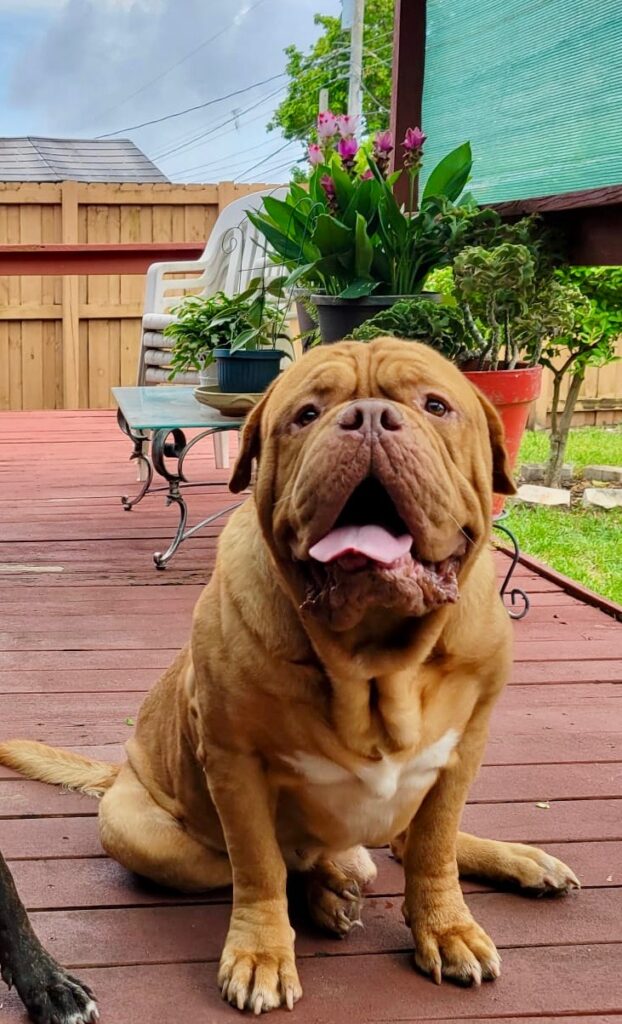
Flat-faced breeds
Dogs with shortened airways, including french bulldogs, English bulldogs, pugs, Scottish folds and Persians, can have more difficulty cooling themselves and are at increased risk of heat stroke.
Senior pets
Older dogs and cats may have a harder time regulating body temperature and may also have underlying medical conditions that increase their risk.
Overweight pets
Extra body weight can make it more difficult for a pet to cool down efficiently.
Pets with heart or respiratory disease
Underlying heart and lung conditions can increase vulnerability to heat-related illness.
Puppies and kittens
Young animals may be less able to regulate their body temperature and may become overheated quickly.
Pets exercising in the heat
Running, hiking, playing fetch or other vigorous exercise can cause a dangerous increase in body temperature, even when the weather does not initially seem extreme.
Bay Area Heat: Don’t Forget About the Pavement
Bay Area pet parents often enjoy walking, hiking and spending time outdoors with their dogs.
But remember that the air temperature isn’t the only thing that matters.
Sidewalks, asphalt and other surfaces can become extremely hot in direct sunlight and can burn your dog’s paw pads.
Before taking a long walk, check the pavement with your hand. If it feels too hot for you to comfortably keep your hand on it, consider choosing a cooler route or waiting until later in the day.
You can also try Ruffwear booties. Check out their large selection at https://ruffwear.com/collections/dog-boots.
Early morning and evening walks are often better choices during periods of high heat.
Never Leave Your Pet in a Parked Car
This deserves its own section because it remains one of the most dangerous and preventable causes of heatstroke.
Never leave your dog or cat unattended in a parked car — even for a few minutes.
The temperature inside a vehicle can rise rapidly, even when the outside temperature doesn’t seem particularly hot. The AVMA notes that the temperature inside a parked car can rise almost 30°F within 20 minutes.
Cracking the windows is not a safe substitute for taking your pet with you.
If you cannot bring your pet inside, leave them safely at home.
How to Prevent Heat Stroke in Dogs and Cats
A few simple habits can significantly reduce your pet’s risk.
1. Walk during cooler hours
Choose early morning or evening rather than the hottest part of the day.
2. Bring water
Always carry fresh water for your dog during longer walks, hikes and outdoor activities. Find some great dog water bottles here and on Amazon.
3. Provide shade
If your pet spends time outside, make sure they have access to a cool, shaded and well-ventilated area.

4. Take breaks
Don’t encourage your dog to keep running or playing simply because they want to continue.
5. Watch the pavement
Protect paws from hot asphalt and concrete.
6. Keep indoor spaces cool
Make sure pets have access to a comfortable, well-ventilated environment during hot weather.
7. Know your pet’s limitations
A healthy young dog may tolerate exercise that would be unsafe for a senior dog or a brachycephalic breed.
8. Never leave pets in vehicles
Even a short errand can become dangerous.
9. Don’t assume the water means they’re safe
Swimming can be fun, but pets can still become overheated after prolonged activity in the sun. Make sure your pet has opportunities to rest in the shade and drink fresh water.
10. Don’t cut your pet’s fur too short
Before giving your dog a close summer haircut, think twice —especially if they have a double coat. Their fur helps insulate them from heat and protects their skin from the sun. Instead of shaving, regular brushing can remove excess undercoat and improve airflow. On hot days, cool water on the coat combined with a breeze or fan can also help with evaporative cooling. Keep your dog brushed, hydrated, shaded and comfortable rather than removing the natural protection their coat provides. Learn more about how dogs stay naturally cool in the heat: https://www.akc.org/expert-advice/health/do-dogs-sweat/.
What Should You Do If You Think Your Pet Has Heat Stroke?
Treat suspected heat stroke as an emergency.
Move your pet immediately out of direct sunlight and into a cool, shaded or air-conditioned environment.
Begin cooling your pet while contacting a veterinarian or emergency veterinary hospital. The AVMA recommends using room-temperature water and cooling areas such as the neck, armpits and groin while arranging veterinary care.
Avoid using ice or extremely cold water as a first response. Controlled cooling is preferred.
Do not wait to see if your pet gets better.
Even if your pet begins acting normally again, heat stroke can cause internal organ damage that isn’t immediately obvious.
Call ahead to the veterinary hospital so the team can prepare for your arrival.
When Is Heat Stroke an Emergency?
If your pet is experiencing:
- Difficulty breathing
- Severe or persistent panting
- Weakness
- Disorientation
- Vomiting or diarrhea
- Stumbling
- Seizures
- Collapse
- Loss of consciousness
seek veterinary care immediately.
These are not symptoms to monitor at home.
Summer Heat in San Francisco and the Bay Area
At MedranoVets, we know that Bay Area pets are part of everything their families do — from morning walks through the neighborhood to weekend hikes and outdoor adventures.
Whether you’re in San Francisco, Oakland, Berkeley, Piedmont, Alameda, Orinda, Lafayette, Walnut Creek or surrounding communities, planning ahead can help keep your pet safe during periods of high heat.
And remember: heat stroke doesn’t always begin with a dramatic emergency.
Sometimes the first sign is simply that your pet isn’t acting like themselves.
Don’t overlook the signs.
When you’re unsure whether your pet’s behavior is normal, it’s better to ask a veterinarian than to wait for symptoms to become severe.
Need a Veterinarian in the Bay Area?
If your dog or cat is showing signs of illness or you’re concerned about how they are handling the heat, MedranoVets provides veterinary care for pets in the comfort of home.
A house-call veterinarian can be particularly helpful for pets who become stressed by travel or traditional veterinary clinics.
Contact MedranoVets to schedule a veterinary visit for your dog or cat.
Text Dr. Medrano at (415)-506-8387 to schedule a mobile veterinary appointment anywhere in San Francisco, Oakland and throughout the Bay Area. MedranoVets brings compassionate veterinary care directly to your home.