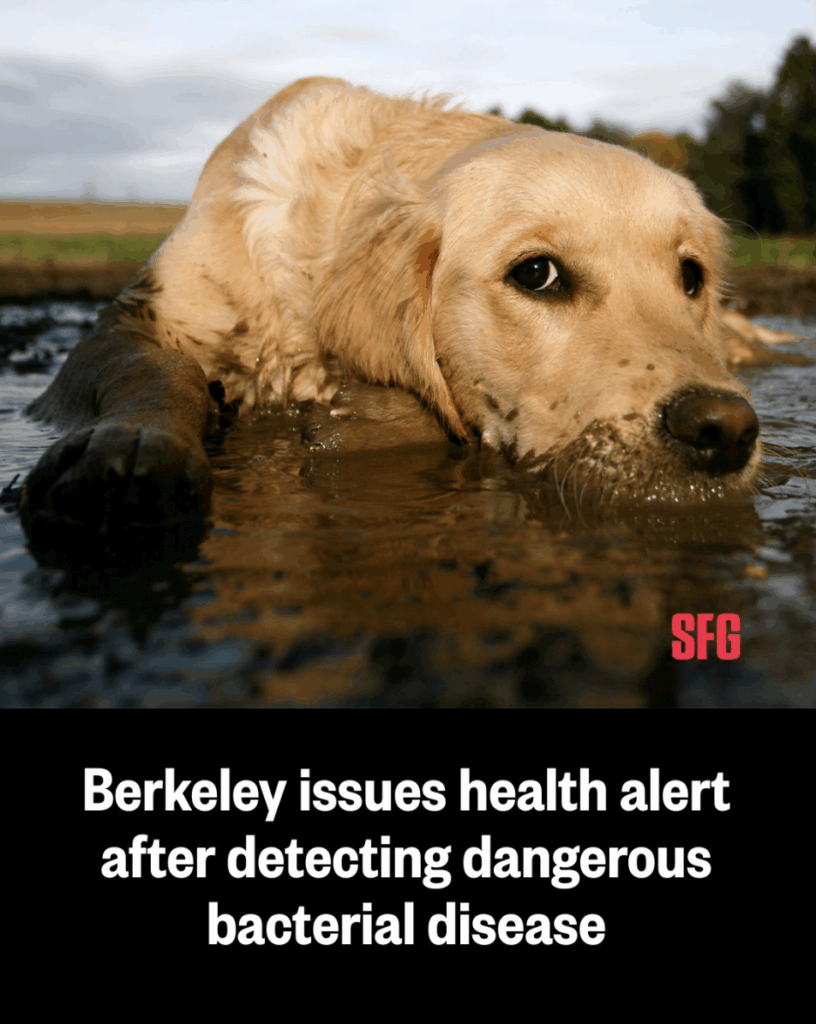
You may have already heard on the news that local health officials have reported a leptospirosis outbreak near the Harrison Street corridor in Berkeley, where numerous infected rats have been identified and at least two dogs have tested positive. This is an important reminder for Bay Area pet owners to stay vigilant and proactive.
At MedranoVets, your pet’s health and safety are our top priorities. Here’s everything you need to know about leptospirosis — from first symptoms to treatment and prevention.

What Is Leptospirosis?
Leptospirosis (often called “lepto”) is a serious bacterial infection that affects dogs and can also spread to humans (zoonotic disease).
It is transmitted through:
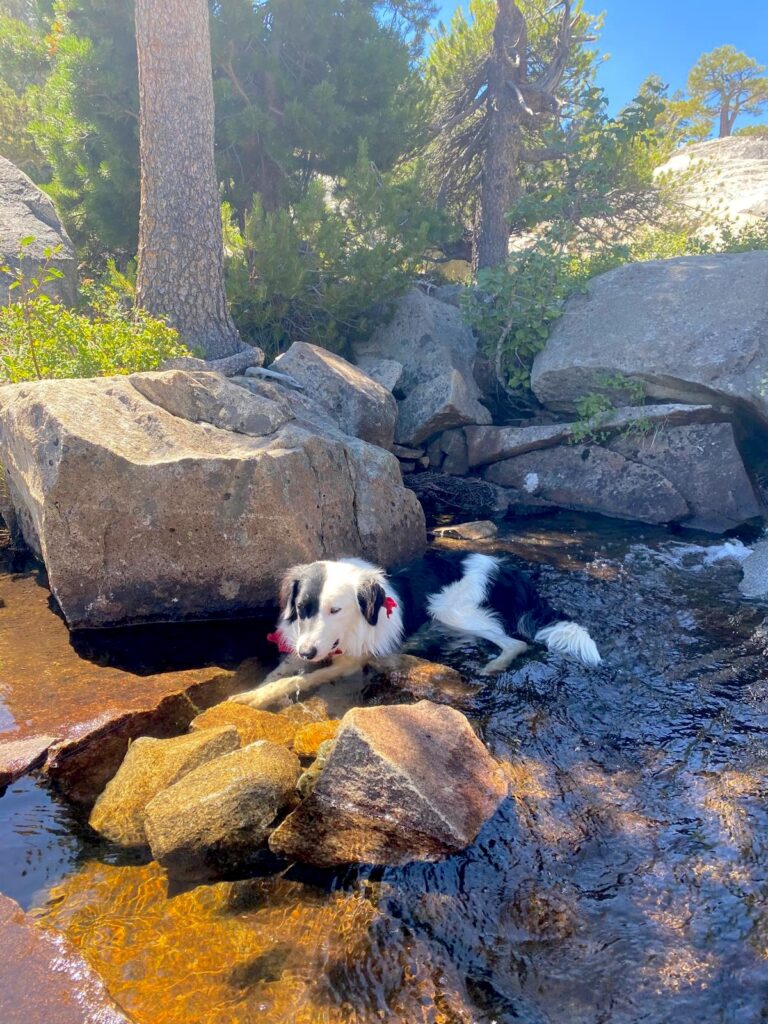
- Contaminated water (puddles, lakes, stagnant water)
- Wet soil or mud
- Wildlife urine (rats, raccoons, deer, coyotes, and other mammals)
- Contact with infected dog urine
⚠️ Dogs do NOT need to swim in lakes to be exposed — even sniffing or walking through contaminated puddles can pose a risk.
Why Is Berkeley at Risk Right Now?
Health officials have identified:
- “Numerous” infected rodents
- At least two confirmed canine cases
- Increased risk near encampments and high rodent areas
Urban environments — including neighborhoods, parks and sidewalks — can harbor the bacteria.
Read more:
https://www.sfgate.com/bayarea/article/berkeley-dangerous-bacterial-disease-21299405.php
What Are the First Clinical Symptoms of Leptospirosis?
Early detection is critical.
Early Symptoms (First 3–7 Days):
- Fever
- Lethargy
- Vomiting
- Loss of appetite
- Muscle tenderness or stiffness
Progressive Symptoms:
- Increased thirst
- Increased urination
- Abdominal pain
- Jaundice (yellowing of eyes or gums)
- Diarrhea
- Dehydration
In severe cases, leptospirosis can cause kidney failure or liver damage.
🎥 Watch early warning signs here:
https://www.instagram.com/reel/DUq-DOqkSht/?igsh=aW14cmlobDM5dDZo
When Should You Call a Vet?
Call your veterinarian immediately if:
- Your dog has sudden lethargy or vomiting
- They were recently exposed to puddles, wildlife areas, or rodent-prone zones
- They are drinking or urinating excessively
- You notice yellowing of the eyes or gums
🚨 Leptospirosis progresses quickly. Early treatment significantly improves survival rates.
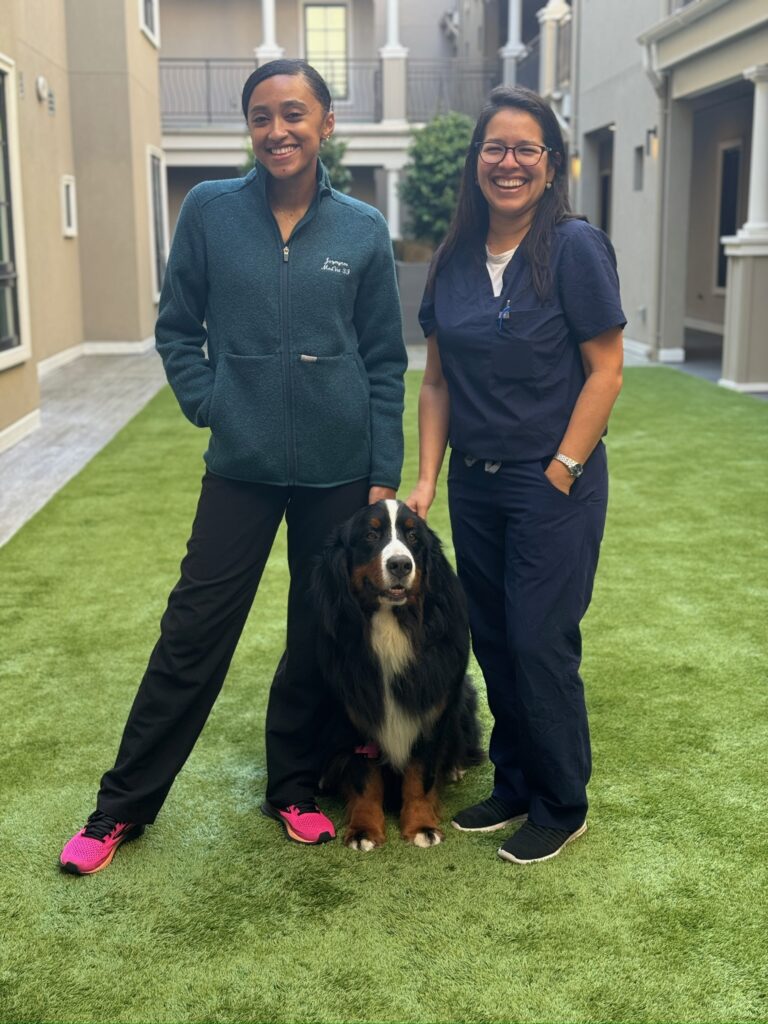
If you’re in the Berkeley area and concerned, contact MedranoVets right away.
How Is Leptospirosis Treated?
Treatment depends on severity but may include:
- Immediate hospitalization
- IV fluids for kidney support
- Antibiotics (such as doxycycline or penicillin derivatives)
- Anti-nausea medication
- Pain management
- Monitoring of kidney and liver function
Early treatment can be life-saving.
Dogs who recover may still require follow-up testing to ensure kidney and liver function return to normal.
Preventative Care: The Leptospirosis Vaccine
The BEST protection against leptospirosis is vaccination.
Important Updates:
The leptospirosis vaccine is now considered core in our region.
Recommended for ALL dogs — including small and toy breeds.
Requirements:
- Initial series (2 vaccines, 2–4 weeks apart)
- Annual booster every 12 months
If your dog’s vaccine was given more than 12 months ago, they are NOT fully protected.
Additional Prevention Tips
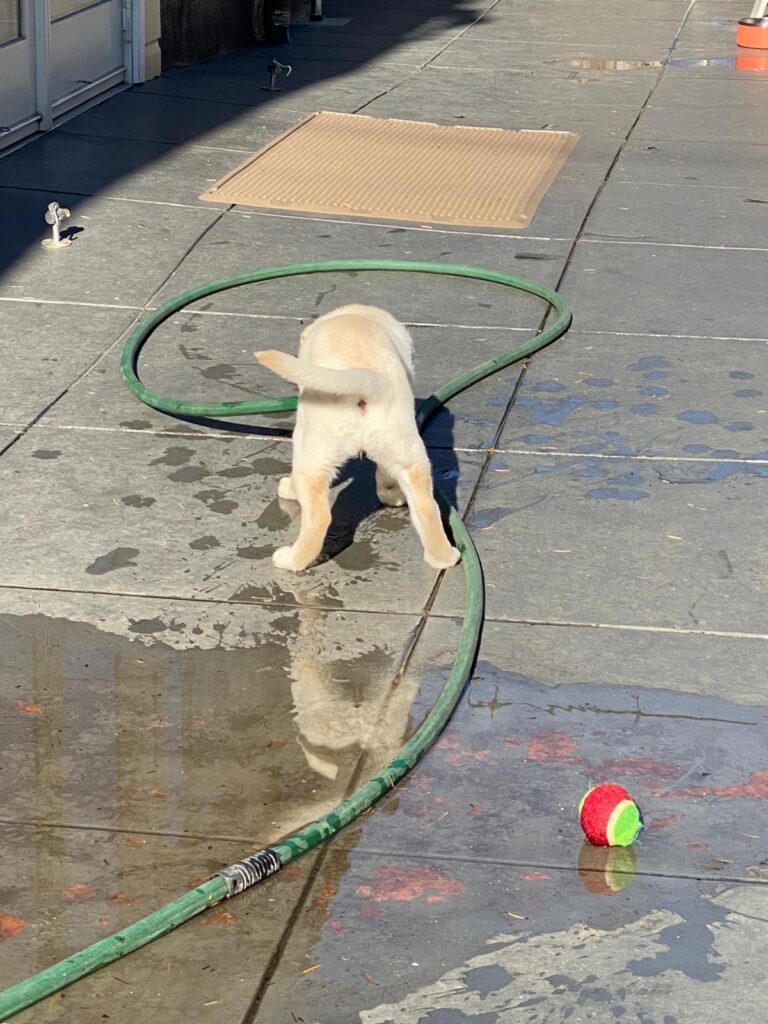
- Do not allow dogs to drink from puddles or unknown water sources (including public hydration stations)
- Avoid stagnant water and muddy areas
- Keep food sealed to discourage rodents
- Secure trash bins
- Schedule annual wellness exams
Why Early Vaccination Matters
Dogs that are vaccinated:
- Have significantly lower infection risk
- Experience milder symptoms if exposed
- Are less likely to spread infection
Because leptospirosis can spread to humans, vaccination protects your entire household.
Frequently Asked Questions
Can indoor dogs get leptospirosis?
Yes, urban rodent exposure makes even indoor dogs vulnerable.
Is it contagious between dogs?
Yes, infected dogs can shed bacteria in their urine.
Is it treatable?
Yes, especially when caught early.
Can other pets like cats get leptospirosis?
Yes, cats can get leptospirosis, although it is considered rare compared to dogs. It can be contracted by outdoor cats hunting rodents or drinking contaminated water. Symptoms include fever, lethargy, vomiting and kidney issues. There is currently no vaccine available for cats.
What To Do Now
If you live near Berkeley — especially near the Harrison Street corridor — we strongly recommend:
- Confirm your dog’s lepto vaccine is current (within 12 months)
- Schedule vaccination if overdue
- Monitor closely for symptoms
- Contact MedranoVets with any concerns
📍 Serving Berkeley and surrounding communities
📞 Text us today to schedule a wellness exam and vaccine 1-415-506-8387
Final Thoughts
Leptospirosis is preventable.
With vaccination, early recognition, and prompt treatment, we can protect our pets — and our families — from this serious infection.
If you have questions about your dog’s risk or vaccination status, reach out to MedranoVets. We’re here to help keep your pets safe and healthy all year long.